Palm Beach County Real Estate For International Buyers
April 16, 2026
April 16, 2026
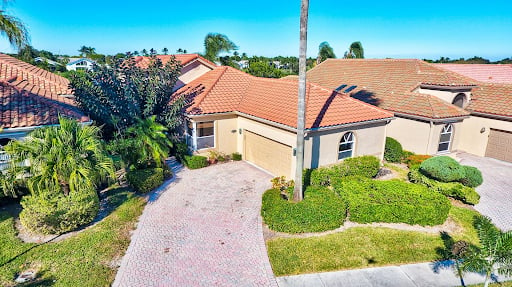
If you are buying Palm Beach County real estate from abroad, one mistake can get expensive fast. The opportunity here is real, but the rules can change dramatically from one city to the next, especially if you plan to use the property as a second home, rental, or long-term investment. This guide will help you understand the key issues that matter most, from financing and taxes to rental rules and ownership options, so you can move forward with more confidence. Let’s dive in.
Palm Beach County checks many of the boxes international buyers look for in South Florida. According to the National Association of Realtors 2024 international transactions report, Florida captured 20% of foreign-buyer home purchases in the U.S., and 50% of foreign buyers paid all cash.
That same report shows 45% of foreign buyers purchased for a vacation home, rental, or both. That matters in Palm Beach County, where more than 9.2 million annual visitors help support seasonal demand. For many buyers, that creates a mix of personal-use appeal and investment potential.
Just as important, Palm Beach County is not one uniform market. The address you choose can affect rental options, tax treatment, licensing needs, and your long-term strategy. That is why international buyers should evaluate Palm Beach, West Palm Beach, Boca Raton, and Delray Beach as distinct submarkets, not interchangeable locations.
Before you focus on property type, it helps to define how you want to use the home. Your intended use often shapes which cities, buildings, and ownership structures make the most sense.
For example, you may be buying for one of these reasons:
If rental income is part of your plan, local rules become especially important. In Palm Beach County, the city line can materially change what you are allowed to do with the property.
Many international buyers still purchase in cash, but financing may be available depending on your profile and lender program. The NAR report found that half of foreign buyers paid all cash, which remains common in Florida.
That said, some lenders do offer programs for foreign nationals. HSBC’s international borrower mortgage program states that mortgage solutions may be available for foreign nationals and that its process does not require a U.S. credit history.
In practice, lender requirements vary. You should expect requests for identity documents, proof of income, and verification of assets, with exact terms depending on the bank and loan program.
When you budget for a purchase, be sure to account for Florida transfer and mortgage taxes. These costs can surprise overseas buyers who are more familiar with different closing systems in their home country.
According to the Florida Department of Revenue, deeds that transfer real property are taxed at $0.70 per $100 of consideration. Mortgages are taxed at $0.35 per $100 of the amount secured.
These charges are not the only closing costs in a transaction, but they are important line items to understand early. For international buyers comparing all-cash and financed offers, this can also affect your final cost structure.
Property tax treatment is another area where international buyers should plan carefully. In Palm Beach County, whether a property is homestead or non-homestead can make a meaningful difference over time.
The Palm Beach County Property Appraiser explains that the homestead exemption is for permanent Florida residents. For most international buyers purchasing a second home, vacation home, or rental property, that generally means the property will be treated as non-homestead unless residency status changes.
Non-homestead properties have a 10% annual cap on assessed-value increases, although school taxes are not capped by that rule. If you are modeling long-term holding costs, that distinction matters.
If you plan to rent the property on a short-term basis, taxes are a major part of the equation. Palm Beach County applies a separate tax layer to transient rentals, and Florida also adds state-level tax obligations.
According to the Palm Beach County Tax Collector, the county’s Tourist Development Tax is 6% on transient rentals of six months or less. The same source states that, as of January 1, 2026, Palm Beach County’s total state and local sales and use tax rate is 6.5%, which means short-term rental receipts generally face a combined 12.5% tax burden before other expenses.
Hosts must also register the tax account, file monthly returns, and display required tax and receipt numbers in advertisements. The county notes that online platforms do not remit the county tax for the host, so owners should not assume the platform handles everything.
Many international buyers focus on the purchase and overlook exit planning. If you later sell the property as a foreign owner, FIRPTA is one of the most important federal rules to understand.
The IRS FIRPTA guidance states that the sale of a U.S. real property interest by a foreign person is generally subject to 15% withholding on the amount realized. The buyer or transferee typically acts as the withholding agent and files Forms 8288 and 8288-A.
If you may need to claim credit for the withholding, an ITIN may also be required. For international owners, this is one more reason to think beyond acquisition and plan your ownership strategy from day one.
International buyers should also be aware that Florida has enacted restrictions affecting certain foreign principals tied to designated countries of concern. These laws can affect eligibility for some property purchases depending on the buyer’s status and the location of the real estate.
The Florida Senate’s bill summary for SB 264 and later revisions describe restrictions involving agricultural land and some property near military installations or critical infrastructure, with additional China-related limits. If you have any connection to a covered jurisdiction, local legal review is important before you submit an offer.
How you take title can affect liability, estate planning, financing, and taxes. That is especially true for international buyers who may already own through trusts, family entities, or cross-border holding structures.
The Florida Bar’s consumer guidance on property ownership identifies common forms of co-ownership such as tenancy in common and joint tenants with right of survivorship. The same guidance notes that a revocable trust can hold Florida real estate, while transfers into an LLC may offer liability and estate-planning flexibility but can also affect homestead status, financing options, insurance, and documentary stamp tax.
For many buyers, the right structure depends on your intended use, how many owners are involved, and whether the property is personal, investment, or mixed-use. This is one area where decisions made early can have lasting consequences.
One of the biggest mistakes international buyers make is assuming Palm Beach County has one set of rental rules. It does not. The city or town can materially affect whether a short-term rental strategy works at all.
The Town of Palm Beach FAQ states that all short-term rentals, including Airbnb, are strictly prohibited. Long-term rentals are allowed if only one property is being rented, and if more than one rental unit is owned in town, a Business Tax Receipt is required.
If your investment plan depends on flexible short stays, this is one of the clearest examples of why address-level review matters.
In West Palm Beach rental property guidelines, the city states that all rental units need a rental tax application. The city’s 2025 application defines a short-term or vacation rental as one rented for a minimum of seven consecutive days, and zoning review is part of the process.
For buyers considering income property in West Palm Beach, the process is more formal and should be reviewed before closing.
The City of Delray Beach landlord permit page states that landlord permits and renewals are no longer required effective October 1, 2023, due to state legislation. That shifts more attention to state rules, HOA or condo documents, and any other applicable local requirements.
This can simplify part of the process, but it does not mean every building or community allows the rental plan you have in mind.
The City of Boca Raton Business Tax Receipt page explains that Business Tax Receipts and Certificates of Use may be required for businesses and uses, with inspections and permit review as part of the system.
If you are buying in Boca Raton for investment purposes, it is smart to confirm whether your planned use, renovation, or leasing activity triggers city filings.
The practical takeaway is simple: Palm Beach County should be evaluated property by property, not just city by city. In addition to local government rules, condo documents, HOA rules, building policies, and zoning can all affect how you use a property.
That matters even more if you are buying from abroad and want a smooth transaction. A beautiful condo or coastal home may fit your budget and goals, but if the rental rules do not align with your plan, it may not be the right investment.
For international buyers, success in Palm Beach County usually comes down to preparation. You need clarity on your use case, realistic numbers on taxes and closing costs, and a clear understanding of what the specific address allows.
That is where experienced local guidance can make the process far more efficient. If you are considering a second home, luxury condo, or investment property in Palm Beach County, Chuck Levine can help you evaluate the opportunity, understand the local differences, and move forward with a strategy that fits your goals.
Stay up to date on the latest real estate trends.



Get assistance in determining current property value, crafting a competitive offer, writing and negotiating a contract, and much more. Contact me today.