Leave a Message

Thank you for your message. I will be in touch with you shortly.

Boynton Beach Boating Access: Canal vs Intracoastal

January 15, 2026

If you dream of stepping from your backyard to the Atlantic, Boynton Beach gives you two main choices: a quiet canal or a front‑row seat on the Intracoastal. Each option brings different navigation rules, bridge heights, wake zones, and ownership costs. You want the best mix of convenience, safety, and value for your boat and lifestyle. In this guide, you’ll learn how canal and Intracoastal access work locally, what to check for your vessel, and how to plan a confident purchase. Let’s dive in.

Canal vs Intracoastal: What it means locally

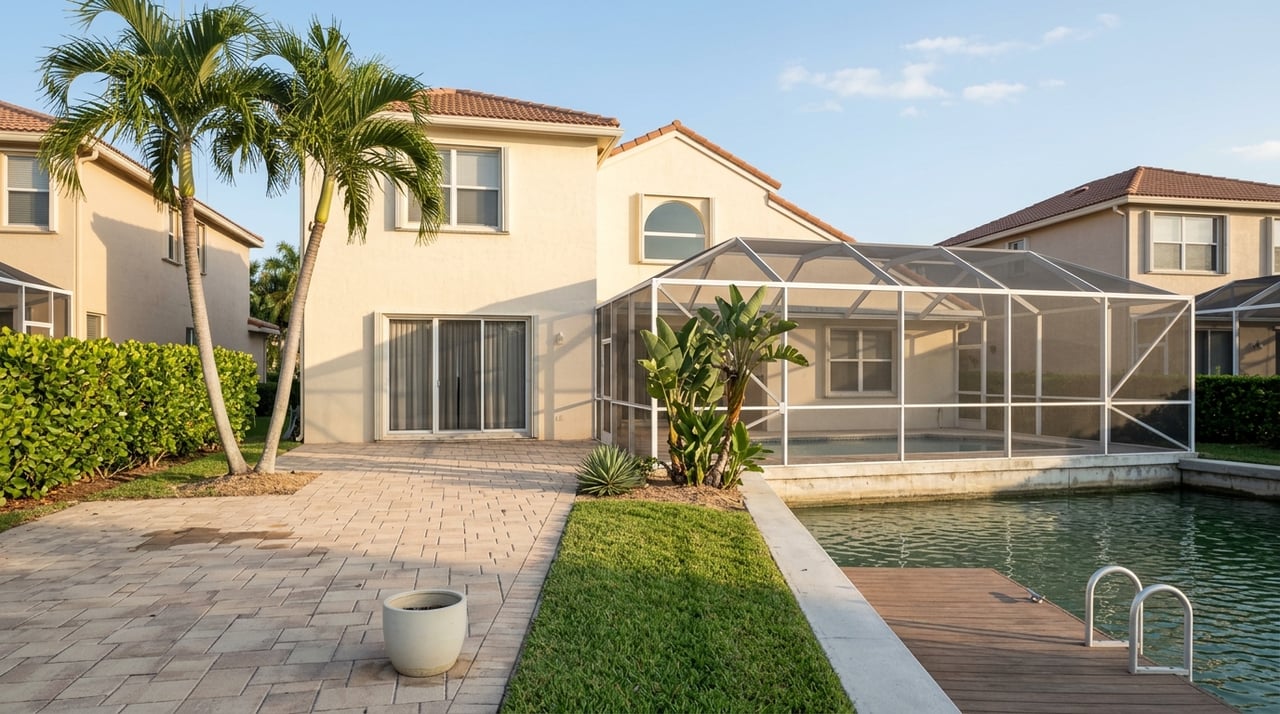
Canals in Boynton Beach are man‑made waterways that connect to the Atlantic Intracoastal Waterway. They offer sheltered dockage and neighborhood access to the main channel. Depths, turning room, and HOA rules vary by canal.

The Intracoastal Waterway is the primary, marked channel running along the coast. It links your dock to nearby ocean inlets. Use the NOAA Nautical Charts and Chart Viewer to see soundings, aids to navigation, and charted bridge data for Boynton Beach.

For offshore trips, Boynton Inlet is the closest opening to the Atlantic for many local homes. Boca Raton and Lake Worth/Lantana inlets are alternatives depending on your location and destination. Conditions change with tide, surf, and shoaling, so check updates from the U.S. Army Corps of Engineers Jacksonville District.

How your boat and route shape your choice

The best waterfront for you depends on your vessel’s dimensions and your regular routes. Focus on these factors before you buy.

Bridge clearance (air draft)

Your boat’s highest fixed point must clear any fixed bridges between the property and the inlet. Some bridges open, others are fixed. Confirm each bridge along your route using U.S. Coast Guard bridge information and NOAA charts. Do not assume South Florida bridges are uniformly tall.

Channel depth and tides (draft)

Canals and the Intracoastal can shoal over time, especially near inlets. Compare your draft to the lowest depths on your path, with a safety margin of at least 1–2 feet. Review NOAA soundings and check current Local Notice to Mariners for dredging or shoaling updates via the Corps and Coast Guard.

Canal geometry and maneuvering

Narrow canals, short fingers, and soft bottoms can limit beam, length, and turning room. Measure dock length and check for a turning basin. Ask the HOA or seller for any boat size guidelines and neighbor examples. When in doubt, hire a local captain to test maneuverability.

Wake zones and travel time

The Intracoastal includes slow and idle‑speed zones near bridges, marinas, and residential stretches that affect door‑to‑ocean timing. Review the Florida Fish and Wildlife Conservation Commission boating rules and expect local enforcement on posted zones.

Inlet conditions and offshore access

Inlets can be hazardous during strong ebb/flood currents or heavy surf. Time your departure for favorable tide and conditions, and review current advisories with NOAA and the Corps via the U.S. Army Corps of Engineers Jacksonville District.

Docks, lifts, permits, and insurance

Waterfront utility and costs vary by property type and shoreline setup.

Common dock configurations

  • Private fixed dock with lift: Convenient and protected. Confirm lift capacity and height.
  • Floating docks: Rise with the tide, helpful where water levels vary.
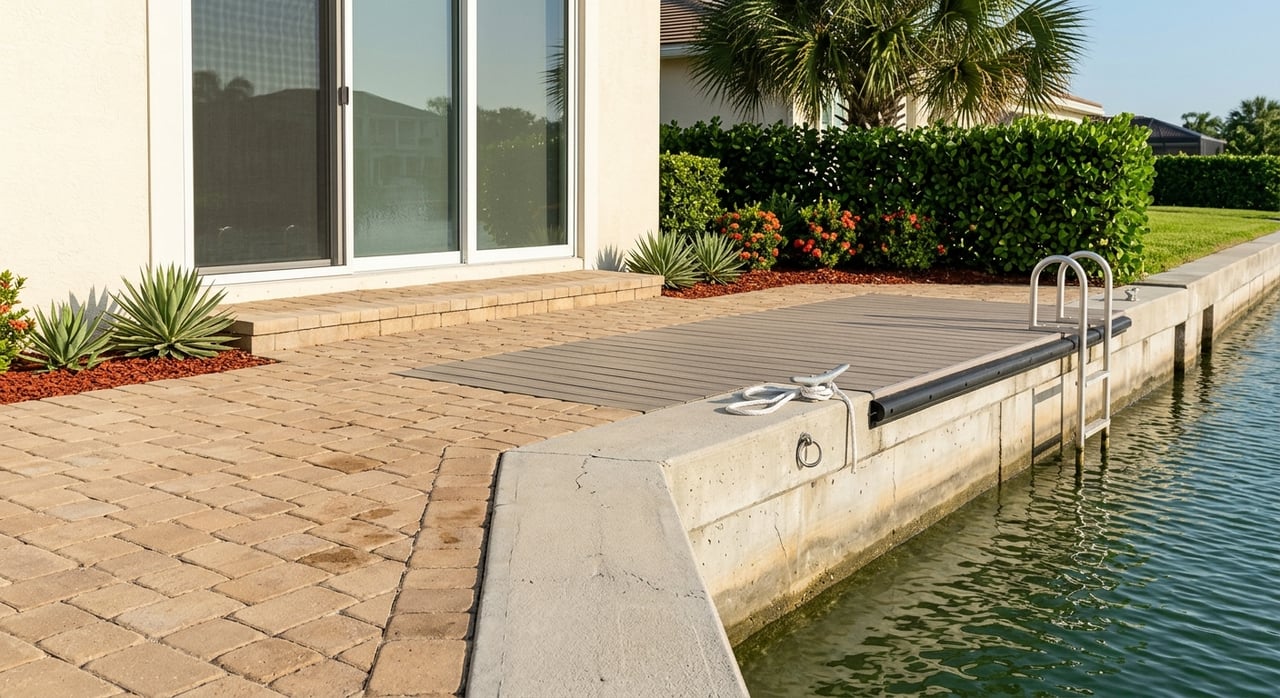
  • Seawalls/bulkheads: Common along canals and the Intracoastal; maintenance can be significant.
  • Davits/hoists: Good for smaller boats where full slips are not feasible.
  • Community marinas/HOA slips: Check allocation rules, fees, and waitlists.
  • Dry‑stack or commercial marinas: Useful for deeper draft or larger vessels, or if your canal has limits.

Permits and setbacks

Docks, lifts, and seawalls typically require local and state approvals. Review submerged lands rules and setbacks with the Florida Department of Environmental Protection and confirm local requirements through Palm Beach County resources. Request permits and maintenance records from the seller.

Flood zones and insurance

ICW and oceanfront homes can carry higher wind and surge exposure. Many canal properties are also in mapped flood zones. Obtain early quotes for homeowners, wind, and flood policies, and review any elevation certificate. Explore your zone using the FEMA flood maps.

Maintenance and long‑term costs

Budget for seawall repairs, dock and lift upkeep, and potential dredging where permitted. In HOAs, review how canal or marina costs are shared and whether special assessments are possible.

Pros and cons at a glance

Canal‑front homes

  • Pros: Sheltered dockage, calmer water, often lower purchase price than ICW for similar lots, great for small to medium boats.
  • Cons: Possible shallow spots, limited turning room, HOA or municipal dock size rules, careful seawall due diligence needed.

Intracoastal‑front homes

  • Pros: Direct route to inlets, generally deeper and wider water, better for larger vessels within bridge limits.
  • Cons: More wake exposure, potentially higher insurance and stricter dock utility requirements.

Oceanfront homes

  • Pros: Unmatched views and beach access, quick offshore departures with proper inlet timing.
  • Cons: Highest exposure to storms and erosion, most expensive insurance and upkeep, still must transit an inlet by boat.

Quick worksheet: match your vessel to the right waterfront

Fill in your boat’s specs, then screen any property.

Vessel specs

  • LOA: ____ ft
  • Beam: ____ ft
  • Draft: ____ ft
  • Air draft: ____ ft
  • Loaded waterline changes: ____

Screening checklist

  1. Fixed bridges on route, and is minimum clearance greater than your air draft? Yes/No
  2. Minimum channel depth along route is at least your draft plus 1–2 ft margin? Yes/No
  3. Dock, lift, or HOA allows your LOA and beam? Yes/No
  4. Canal width and turning basin allow safe maneuvering? Yes/No
  5. No‑wake zones acceptable for your routine trip time? Yes/No
  6. Inlet depth, current, and surf are suitable for your boat at planned tides? Yes/No

Decision cues

  • Mostly Yes: Canal‑front or ICW‑front with private dock may work.
  • Air draft too high for fixed bridges: Focus on routes with reliable movable bridges or consider storage at ICW/ocean marinas.
  • Draft too deep for canals: Consider ICW‑front or a marina slip with adequate depth.

Timing, services, and lifestyle notes

  • Transit time: Expect slow‑speed stretches on the ICW; canal geometry may add minutes for careful maneuvering.
  • Services: Proximity to fuel, haul‑out, and repair matters, especially for larger yachts or frequent offshore runs.
  • Home operations: Plan for lift maintenance, power needs at the dock, and safe fendering for wake exposure on ICW frontage.

Next steps to evaluate a property

Ready to zero in on the right waterfront fit for your boat and lifestyle in Boynton Beach? Connect with Chuck Levine for a data‑driven plan and concierge guidance from search to closing.

FAQs

What’s the main difference between canal and Intracoastal access in Boynton Beach?

  • Canals are sheltered neighborhood waterways with variable depth and turning room, while the Intracoastal is a marked main channel that provides more direct, generally deeper access to nearby inlets.

How do I verify bridge heights for my specific route to Boynton Inlet?

  • Measure your air draft and compare it to each fixed bridge using U.S. Coast Guard bridge tables and current NOAA charts; confirm movable bridge schedules before planning.

Do wake and speed zones add a lot of time to ICW trips?

  • Yes, slow and idle‑speed stretches near bridges and residential areas can add time, so factor them into routine runs and choose a location that fits your boating style.

What permits are needed for a new dock or boat lift?

  • Dock, lift, and seawall work typically require state review and local approvals; confirm rules with Florida DEP and Palm Beach County, and request existing permits from the seller.

How do flood zones affect insurance for canal vs ICW homes?

  • Both can be in mapped flood zones; ICW and oceanfront can face higher surge exposure. Get early quotes and review elevation certificates to compare true carrying costs.

Who handles dredging or shoaling issues that affect access?

  • Navigation maintenance and updates are coordinated through agencies such as the Florida Inland Navigation District and the U.S. Army Corps of Engineers; check current notices before you buy.

Work With Us

Get assistance in determining current property value, crafting a competitive offer, writing and negotiating a contract, and much more. Contact me today.