Miami Waterfront Luxury Homes vs Brickell Condo Living
February 19, 2026
February 19, 2026
Ocean breeze or skyline energy? If you are torn between a Miami waterfront estate and a Brickell high‑rise, you are not alone. Both options deliver world‑class luxury, but the day‑to‑day experience, costs, and long‑term considerations can be very different. In this guide, you will compare lifestyle, ownership costs, boating, insurance, resilience planning, and resale dynamics with local, data‑driven context. Let’s dive in.
Miami‑Dade’s luxury market continues to draw strong demand, with both single‑family and condo segments contributing to recent sales growth. Local market reporting highlights ongoing international interest and steady luxury activity across price tiers. You can see this in the latest analysis from MIAMI REALTORS®, which notes continued strength in single‑family prices and $1M‑plus condo transactions as key drivers of volume in 2024. Review the context in the MIAMI REALTORS® summary of countywide performance to understand where momentum sits today. Regional market reporting confirms persistent luxury demand.
International buyers remain a meaningful force at the high end. National Association of REALTORS® data shows that from April 2024 to March 2025, international buyers purchased $56 billion in U.S. homes, with a notable cash share and higher median prices than domestic averages. That pattern supports Miami’s global appeal and helps underpin liquidity in premium segments. Get the high‑level picture in NAR’s international transactions update.
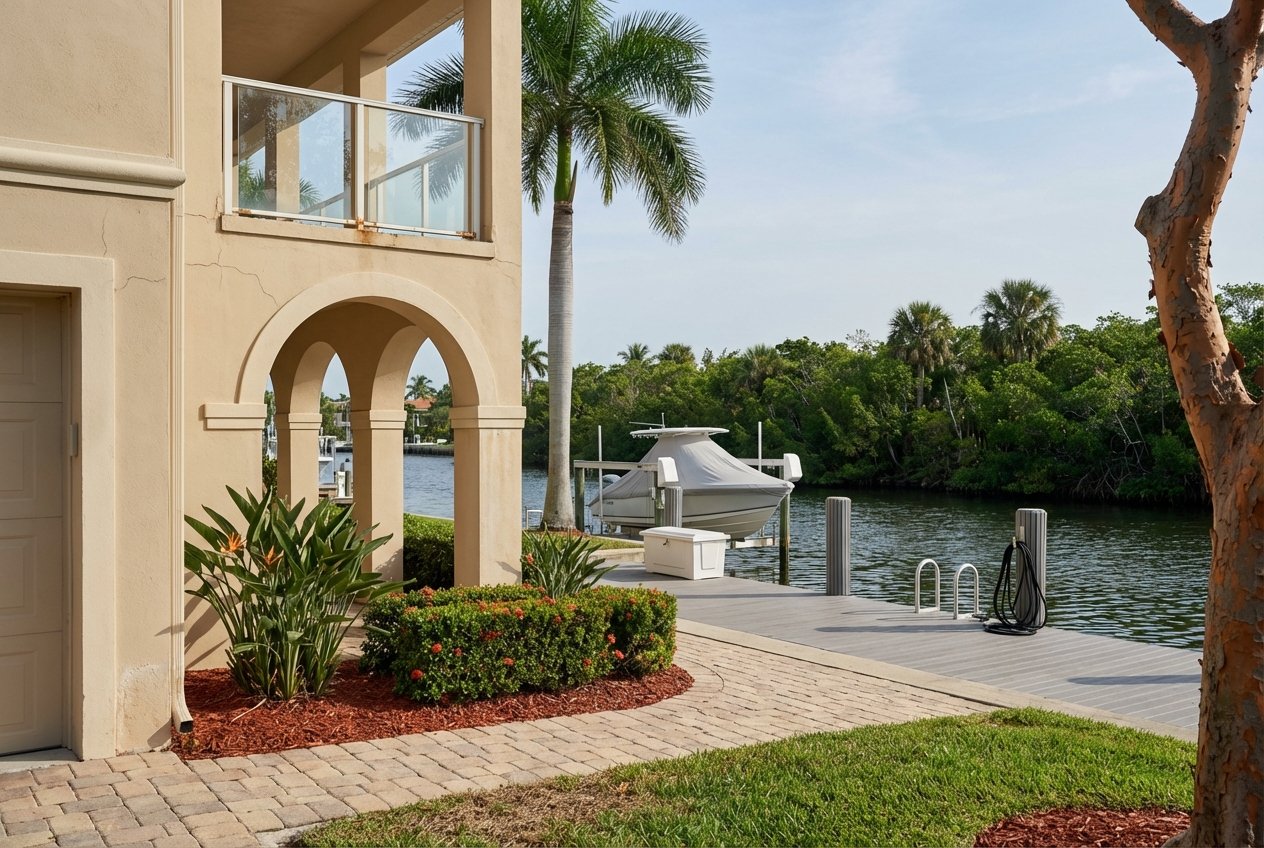
Waterfront estates offer direct connection to the water, privacy, and signature Miami views. Oceanfront properties tend to command the top price premiums for direct beach and surf exposure. Bayfront homes provide protected water and calmer seas that many boaters prefer year‑round. Canalfront homes may trade at a lower price per foot, but they can deliver practical advantages like private lifts or shorter runs to open water, depending on the specific location and canal depth.
Privacy can be exceptional. Private‑island enclaves and select waterfront streets provide physical separation, controlled access points, and private marine facilities. If maximum seclusion is a priority, study islands with restricted access and curated amenities. For example, Fisher Island is a leading example of a private‑estate enclave where privacy is part of the draw.
Boating access is often the deciding factor. A home may advertise a dock, but the value depends on permits, depth, and allowed vessel size. Private marinas and municipal facilities offer alternatives, yet slip supply is finite and can involve waitlists, length‑overall limits, and draft constraints. Treat boat storage as a due‑diligence item, not an assumption. For background on permitting, environmental review, and timelines, explore these dock and seawall permitting insights. Miami‑Dade has also approved measures to improve seawall permit processing and promote resilient designs, which can help future projects move more smoothly. Read about the county’s seawall permit reform initiative.
Ownership and upkeep are hands‑on at this level. Expect costs for landscaping, pool systems, dock and lift maintenance, and, over time, seawall or bulkhead work. These are manageable with planning, but they are material line items and should be part of your budget from day one.
In the urban core, towers in Brickell, Edgewater, and Downtown blend skyline and bay views with hotel‑style services. Floor‑to‑ceiling glass and higher floors can deliver panoramic vistas that compete with waterfront lines, just with an urban vibe. These neighborhoods also show strong price‑per‑square‑foot performance in the downtown set, with steady resale activity across many buildings. For a sense of how buyers evaluate downtown product and pricing, see this neighborhood and building context.
Service is the hallmark here. You trade private land for professional management, secure lobbies, valet, concierge, and curated amenities. For many owners, especially those with a lock‑and‑leave lifestyle, this reduces the need for on‑site staff and simplifies daily living.
Monthly carry works differently in towers. Associations cover building systems, amenities, common areas, and insurance, which you pay through monthly assessments. After statewide safety and insurance changes, many associations face higher operating costs and, in some cases, special assessments for repairs or reserves. To understand the trend line and why due diligence matters, review recent reporting on Florida condo insurance and assessment pressures.
Commuting and daily logistics favor the core. Brickell and Downtown benefit from walkability and transit, including Metromover and Metrorail hubs. That can reduce commute risk for office‑bound residents. By contrast, some waterfront enclaves require bridge or causeway drives that can extend trip times. Miami ranks among the more congested U.S. metros, according to INRIX’s traffic scorecard, so proximity to work and services can be a real quality‑of‑life factor.
Insurance is a central part of your operating budget. Florida’s property insurance market has seen volatility, with premium increases in recent years and ongoing pricing adjustments. Coastal properties and older buildings often carry higher wind and flood costs. Flood insurance now uses FEMA’s Risk Rating 2.0 approach, which prices property‑specific risk rather than only zone lines, so premiums can vary widely between nearby homes. The takeaway is simple: get written quotes for homeowners, wind, and flood early. Review industry coverage of current insurance dynamics so you know what to expect.
Plan with sea‑level guidance in mind. The Southeast Florida Regional Climate Change Compact provides the regional projections that local governments use. The current planning ranges are about 10 to 17 inches by 2040 and 21 to 54 inches by 2070 relative to the 2000 baseline. Treat these as planning tools, not property‑specific forecasts, and incorporate them into your long‑term thinking. See the Compact’s sea‑level rise indicators and ranges.
Local governments are acting on resilience. The City of Miami Beach, for example, has advanced an adaptation strategy that affects infrastructure, permitting, and neighborhood projects. These efforts can shape the experience in different areas over time, from Mid‑Beach to Brickell flood‑mitigation corridors. You can read about the Miami Beach sea‑level rise adaptation strategy.
Waterfront estates are unique, often irreplaceable parcels. Scarcity on private islands or along the best bayfront lines supports trophy pricing and long hold times for special properties. However, that uniqueness can mean fewer direct comps and a smaller buyer pool for any one home.
In the urban core, a larger, more fungible supply of condos creates consistent resale velocity and choice. Penthouses and high‑floor residences compete within established building ecosystems, which can help pricing clarity and liquidity. Local market context and building‑level data, such as the downtown neighborhood analyses, support the idea that you have more buyers per listing at any given time in the condo segment. Explore downtown segment context and comparables to see how this plays out.
Use this side‑by‑side view to connect your priorities to a property type.
| Priority | Waterfront Estate | Urban High‑Rise Condo |
|---|---|---|
| Privacy | Maximum, with gated entries or islands | High, via controlled access and concierge |
| Boat access | Best with private dock and deep water | Limited, rely on nearby marinas |
| Services | Private staff or vendors | Full building services and amenities |
| Monthly carry predictability | Variable, major items like seawalls/docks | More predictable, subject to assessments |
| Insurance exposure | Higher for wind and flood in many zones | Building‑level policies, still rising costs |
| Commute and walkability | Drive and bridges for many enclaves | Walkable, Metromover and Metrorail access |
| Resale liquidity | Unique, fewer direct comps | Deeper buyer pool and steady velocity |
| Customization | High, tailor estate and dock | Moderate, finish work within building rules |
Bring this checklist to your next showing and request documentation before you go under contract.
Choose based on how you plan to live. If you want direct water access, privacy, and room to personalize, a waterfront estate will reward you every day, as long as you plan for maintenance and insurance. If you value a turnkey lifestyle with services, transit, and steady resale dynamics, a Brickell or Downtown residence is hard to beat. In both segments, international demand and local market strength create opportunities when you enter with clear goals and solid due diligence.
If you want a clear, personalized plan for your next Miami move, schedule a free consultation with Chuck Levine. You will get local market insight, building and neighborhood context, and a step‑by‑step path to a confident decision.
Stay up to date on the latest real estate trends.

Get assistance in determining current property value, crafting a competitive offer, writing and negotiating a contract, and much more. Contact me today.