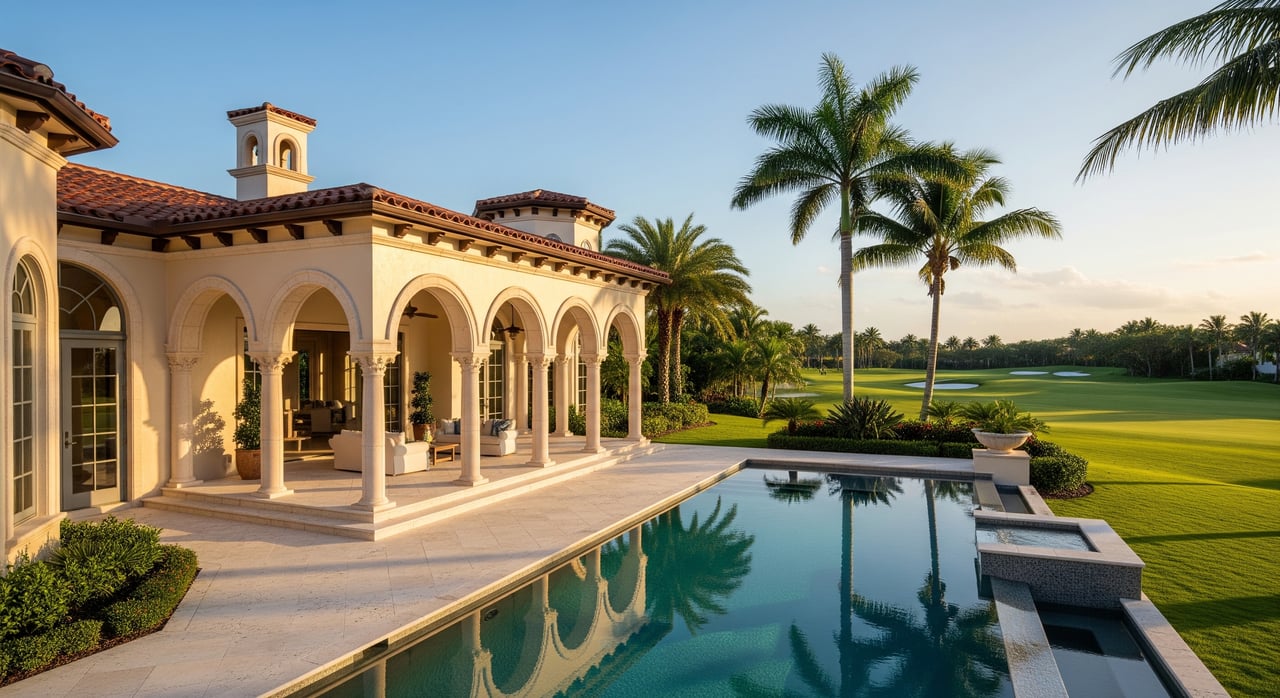
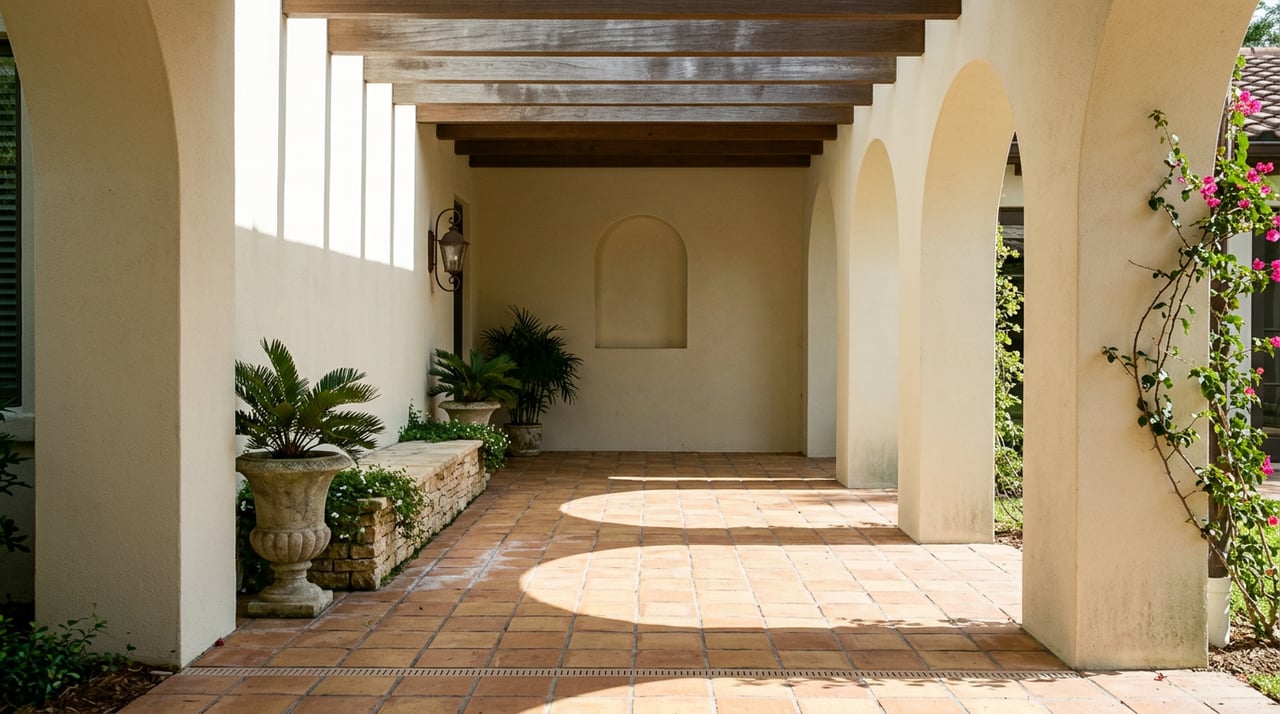
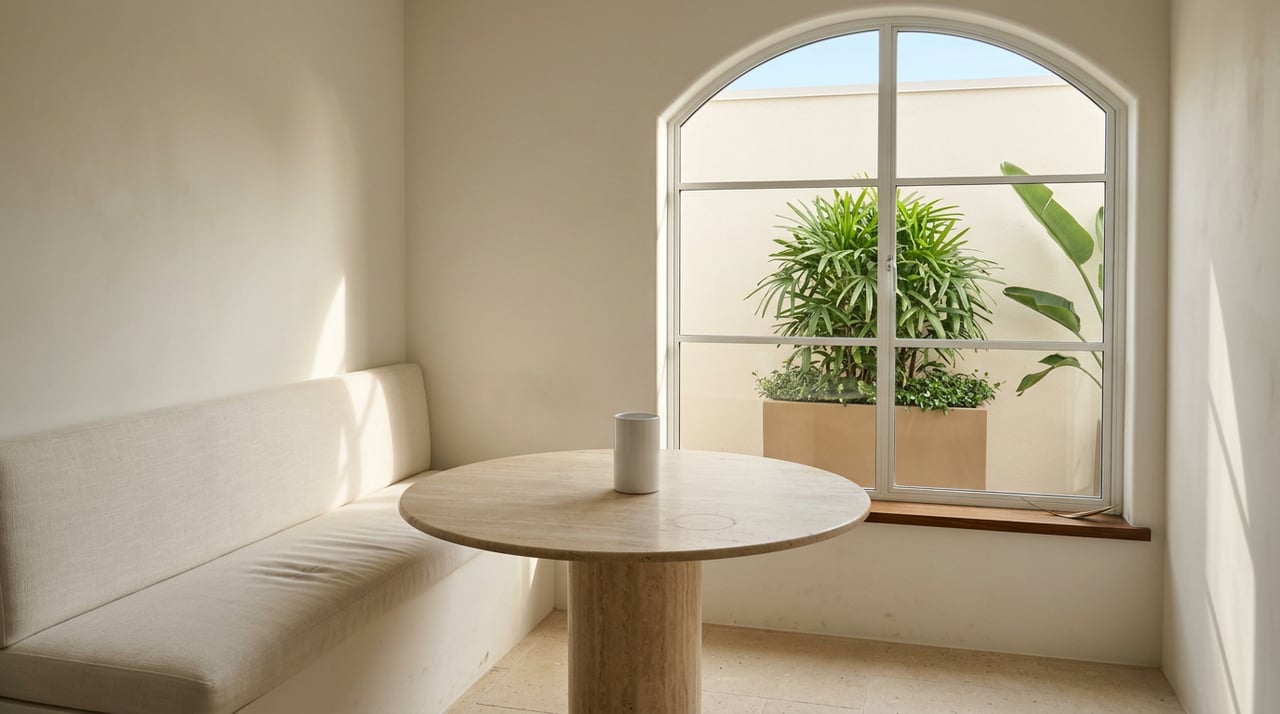
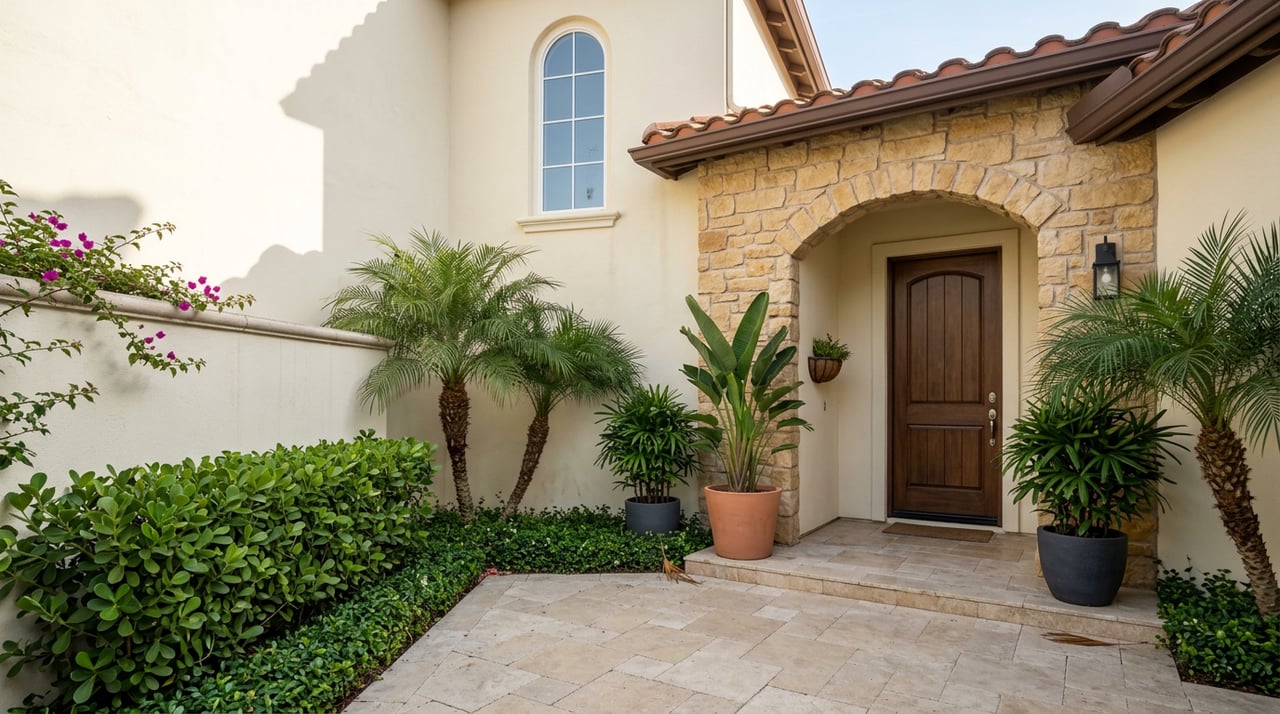
Thinking about country club living in Boca Raton but not sure what life behind the gates really looks like? You want the right mix of golf, dining, wellness, and privacy, plus a clear picture of membership costs and HOA fees. This guide breaks down the club models, home types, amenities, and due diligence steps so you can move forward with confidence. You will also see how Boca compares with nearby Palm Beach, West Palm Beach, and Delray Beach. Let’s dive in.
What country club living looks like
Boca Raton offers several club formats. Each delivers a distinct lifestyle and cost structure, so it helps to know what you are choosing.
- Resort‑affiliated clubs: Luxury hotels or resorts with optional memberships for dining, pools, spa, and golf or tennis. You get hotel‑level services and private member events.
- Private country clubs: Member‑owned or equity clubs focused on golf, racquet sports, dining, and a robust social calendar. Memberships are limited and governed by members.
- Master‑planned community clubs: Large gated communities where the club is a central hub for golf, fitness, pools, and social life. Access may be tied to home ownership or offered as optional tiers.
- Non‑equity and social clubs: Lower cost of entry with a focus on social, fitness, or tennis programming and fewer governance rights.
- Hybrid setups: Some communities run a private club alongside HOA governance, with club membership offered separately from HOA dues.
Where you live shapes your lifestyle
In Boca Raton, location drives daily experience.
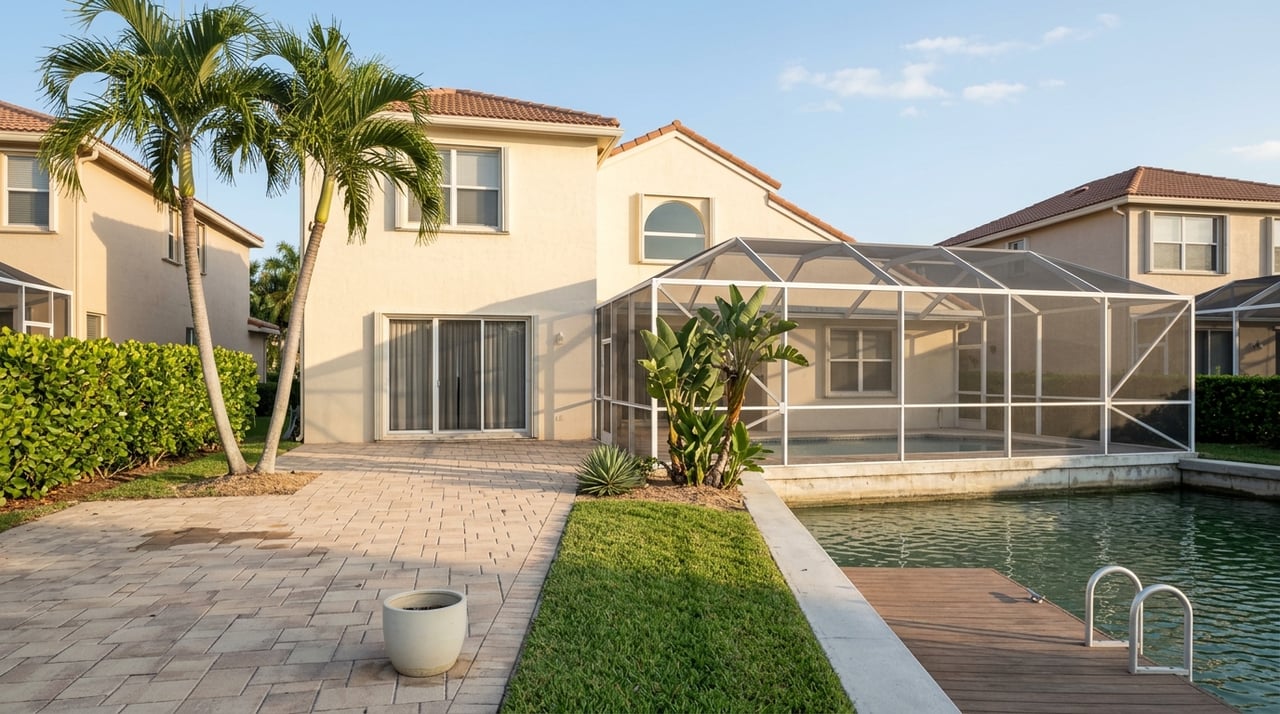
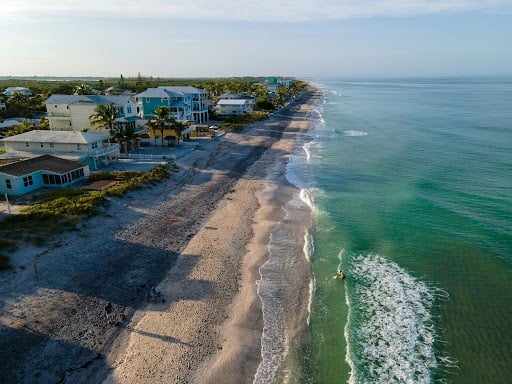
- Inland vs coastal: Inland gated communities in West and central Boca often feature expansive golf and tennis complexes with a quieter, residential feel. Coastal and waterfront enclaves lean into marina access, beachfront amenities, and seasonal energy.
- Near downtown vs suburban: Close to downtown, you find more walkable dining and social options. Farther out, clubs prioritize privacy and on‑site amenities.
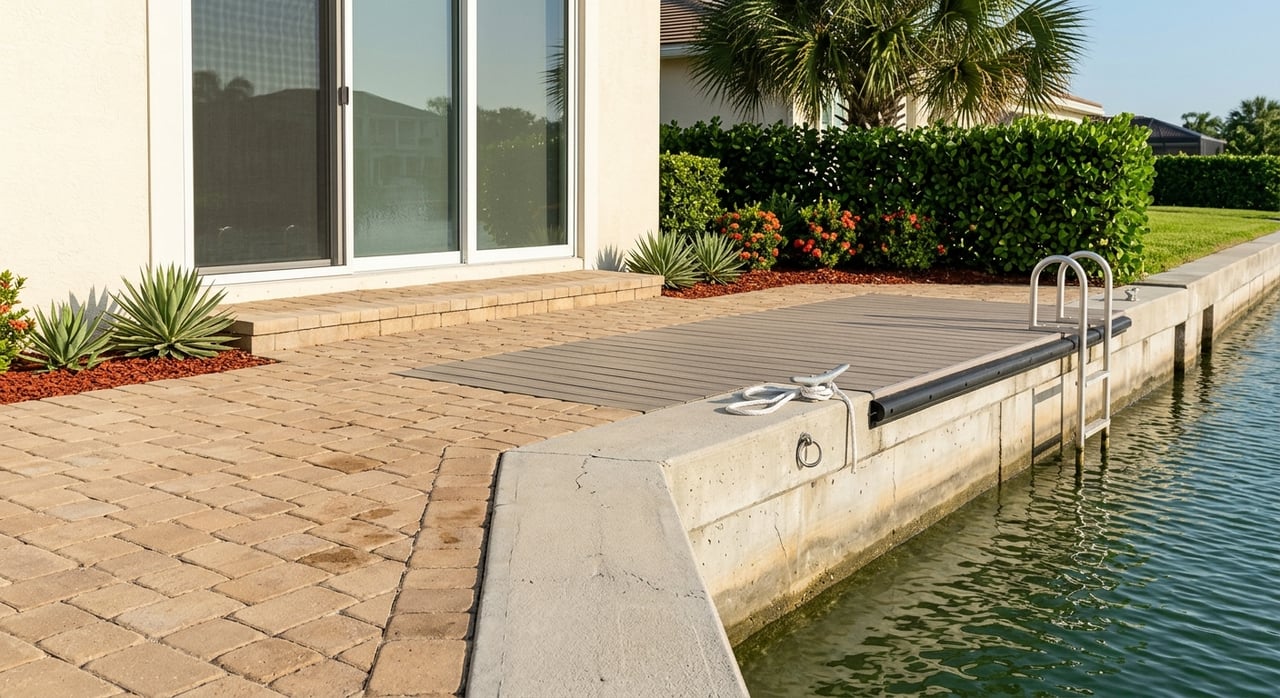
- Climate and resilience: Coastal and low‑lying properties face higher hurricane and storm‑surge exposure. Flood‑zone designations, windstorm coverage, and elevation can materially impact insurability and total ownership cost. Build insurance quotes and flood information into your decision.
Amenities you can expect
Clubs in Boca are built for year‑round enjoyment, with a busier event calendar during the winter high season.
- Golf: Multiple 18‑ or 9‑hole courses, practice facilities, pro shops, instruction, and tournaments.
- Tennis and racquet: Clay and hard courts, ladders, clinics, and pro coaching. Many clubs now add pickleball.
- Fitness and wellness: Modern gyms, studios for yoga and spin, personal training, and spa services. Some clubs partner with medical or rehab providers.
- Pools and aquatics: Resort pools, lap pools, family zones, poolside dining, and swim instruction.
- Dining and social life: Casual and formal restaurants, member mixers, holiday events, and cultural programming.
- Lifestyle services: Concierge support, security, kids’ clubs, and valet or reserved parking in select communities.
- Marinas and yacht facilities: In waterfront clubs, look for slip availability, transient dockage, and boat ramps.
Expect a blend of competitive sport and social connection. Some clubs push serious golf or tennis calendars. Others emphasize wellness and dining. Many find a balance to serve both.
Home options inside the gates
You will find a wide range of homes and price points inside Boca Raton’s country club communities.
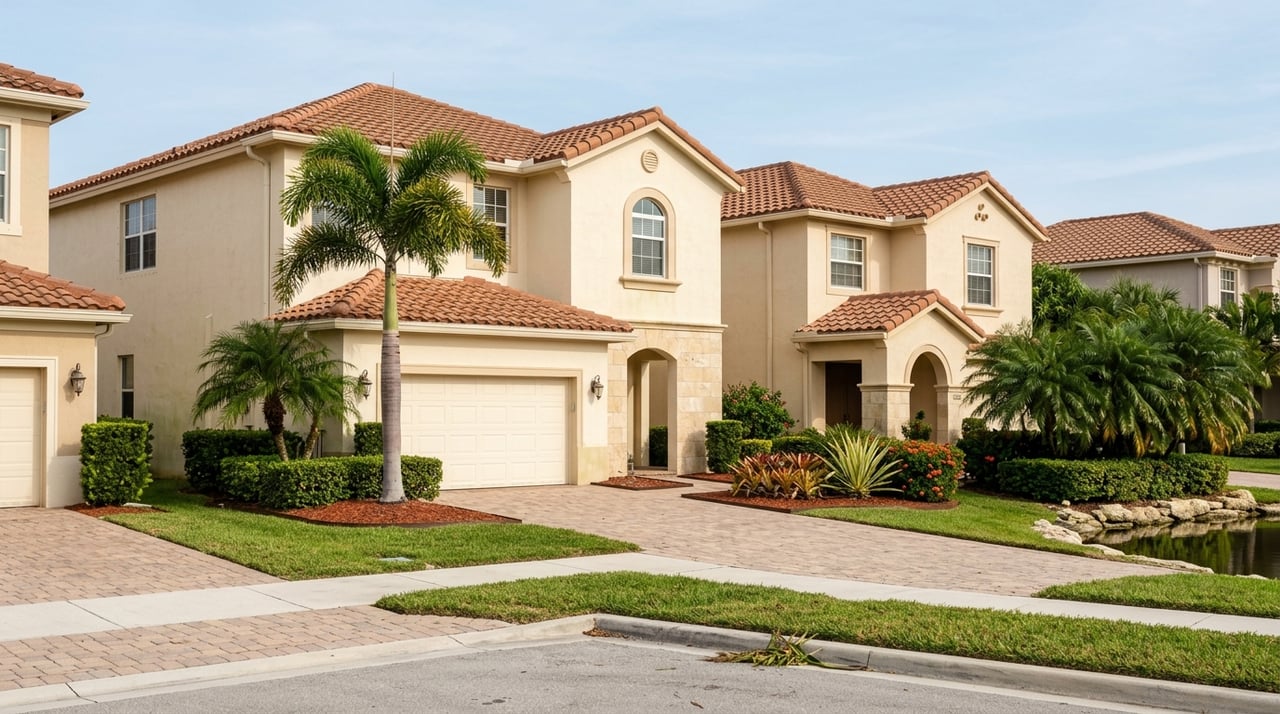
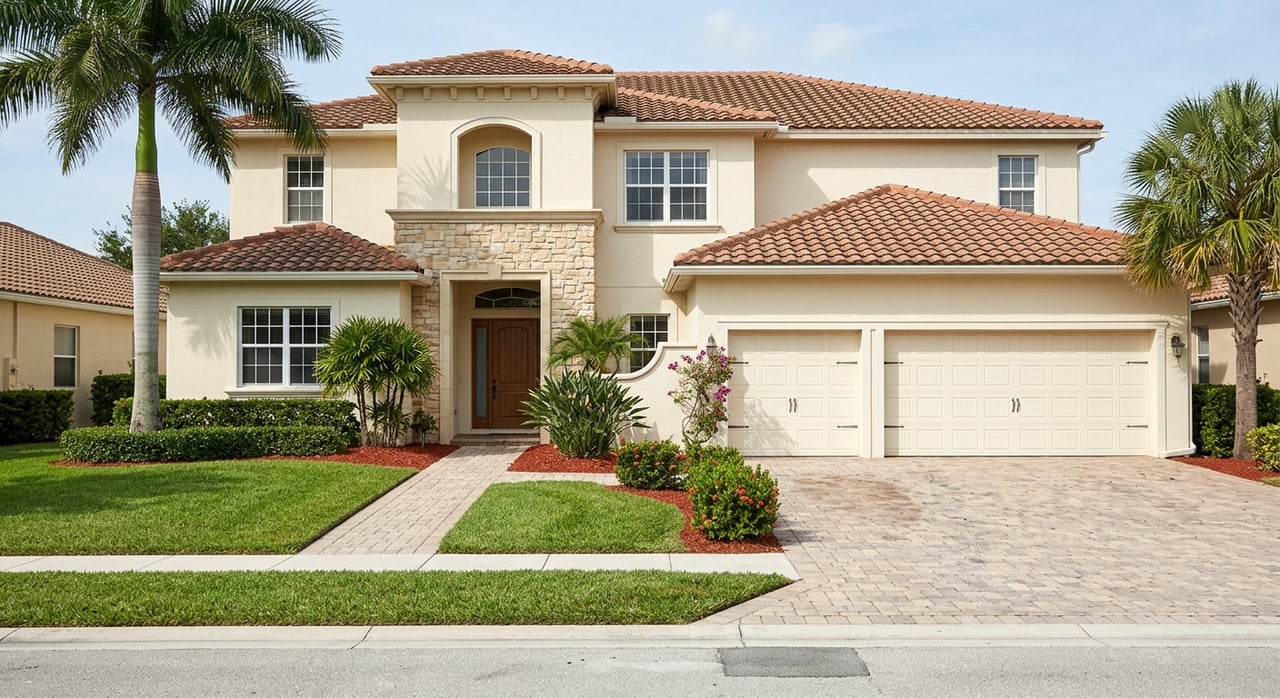
- Single‑family homes: Detached houses with yards, often along fairways or lakes. Sizes and finishes vary, from classic to newly rebuilt.
- Luxury estates: Custom homes on premium lots, with privacy and high design. Prime positions include waterfront or private fairway views.
- Townhomes and villas: Lower maintenance and typically simpler membership pathways. Often popular with lock‑and‑leave buyers.
- Condos: Low‑rise and mid‑rise buildings within club or resort settings. These may offer separate club membership options.
- Active‑adult or age‑restricted: Select communities offer 55+ products with tailored amenities and scaled membership models.
How home type ties to access and resale:
- Membership entitlement vs optional: Some communities attach membership to the home. Others require a separate, optional purchase.
- Transfers and caps: Resales can involve membership transfers, board approvals, caps, or wait lists. Understand transfer fees and timing upfront.
- Renting and second‑home use: Condos and townhomes may allow easier rentals, subject to HOA and club rules. Single‑family homes often carry longer minimum rental terms. Always verify restrictions.
Positioning by price band is qualitative and community specific. Entry points often include older condos or villas. Mid‑luxury covers newer single‑family homes and larger condos near club hubs. Upper luxury includes custom estates, prime fairway or waterfront lots, and the most exclusive enclaves.
Membership and HOA costs explained
The structure of your membership and HOA fees will shape your experience and budget. Clarity here prevents surprises.
- Equity membership: You purchase a stake in the club with voting rights and governance input. Upfront cost is higher, and refundability varies by club rules.
- Non‑equity membership: A user privilege run by an owner or operator. Policies, dues, and availability can change with management.
- Mandatory vs voluntary: Some HOAs require club membership. Others make it optional, which can affect resale dynamics and buyer pools.
Cost components to expect:
- Initiation or buy‑in fee: One‑time upfront cost that varies widely. Refundable status depends on the agreement.
- Monthly or annual dues: The base cost to access and operate amenities.
- Food and beverage minimums: Some clubs require a monthly or quarterly spend.
- Assessments: Capital or special assessments may appear for big projects. Review the club’s history and plans.
- Ancillary charges: Think cart fees, lessons, pro‑shop purchases, tournaments, and guest fees.
- Separate HOA fees: Cover common‑area maintenance, security, landscaping, reserves, and building insurance for condos.
How dues and HOA fees interact:
- Separate budgets: Club dues fund club operations. HOA fees fund community maintenance. Sometimes the HOA collects an assessment for the club, or the club levies a member assessment.
- Financial health: Review reserve studies and financials for both the HOA and the club. Look for deferred maintenance that could trigger future assessments.
- Insurance: Condos usually carry a master policy. Homeowners still need their own policy and, when applicable, windstorm and flood coverage.
Smart buyer due diligence
A little homework goes a long way. Use this checklist before you write an offer.
Documents to obtain:
- Club membership brochure, agreement, and a current dues and fees schedule.
- HOA or condo documents: CC&Rs, bylaws, budgets, reserve study, financial statements, last 12–24 months of meeting minutes, and rules for rentals and renovations.
- Seller disclosures and property condition reports.
- Title report and any easements or covenants.
- Flood zone and an elevation certificate for coastal or low‑lying properties.
- History of special assessments and any pending projects.
- Club financial statements or a summary of capital projects, if available.
Questions to ask club and HOA management:
- Is membership transferable at resale? Are there caps or wait lists?
- What membership tiers are offered and what do they include or exclude?
- What are initiation fees, dues, and typical ancillary charges? How often have dues increased?
- Are any capital projects planned that may require assessments?
- What are rental rules, including minimum lease terms and short‑term limits?
- How do guest policies and security protocols work?
- For waterfront options: what is the process and cost for marina slips, and are there dredging plans?
Financial planning and insurance:
- Budget for both HOA and club dues, plus a cushion for assessments and rate increases.
- Get quotes for homeowner, windstorm, and flood insurance based on the property’s location and flood zone.
- If buying a second home, understand property tax rules and how homestead exemptions apply in Florida.
Practical visit tips:
- Visit during peak winter months and again off‑season to gauge crowding and programming.
- Ask to observe a club event or a typical day of activities.
- Walk through the membership transfer process so you know the timeline at resale.
- Talk to current residents about satisfaction and recent dues trends.
Boca vs Palm Beach, West Palm, and Delray
If you are choosing between Boca Raton and nearby enclaves, consider how each aligns with your goals.
- Boca Raton: Broad selection of resort‑affiliated and master‑planned clubs, strong year‑round amenities, and a balance of downtown access and suburban privacy.
- Palm Beach (island): Ultra‑exclusive inventory, limited availability, and private club traditions. Expect premium pricing and tight supply.
- West Palm Beach: An urban setting with growing luxury options, newer downtown condos, and access to private clubs inland.
- Delray Beach: Smaller‑scale luxury communities paired with a vibrant arts and dining scene in the downtown core.
Why many choose Boca:
- Value proposition: More club and housing variety compared with the narrow ultra‑luxury set on Palm Beach island.
- Amenity scale: Some master‑planned Boca clubs offer multiple courses and large racquet complexes.
- Lifestyle balance: Sophisticated dining and nightlife nearby, plus family‑friendly programming inside the gates.
Who Boca club living suits best
- Primary residence: You want a consistent community, full calendars, and easy access to golf, fitness, and dining without leaving the neighborhood.
- Second home: You want lock‑and‑leave convenience, seasonal events, and social connection during winter months.
- Investors: You value stable, amenity‑rich assets, and you understand HOA and club rules for rentals and transfers before underwriting a deal.
Your next step
If country club living in Boca Raton is on your list, start with clarity on membership structure, HOA rules, and insurance exposure, then match the right home type to your lifestyle. When you are ready for a curated short list and a clean, concierge process from search to closing, connect with Chuck Levine for a free consultation. You will get seasoned guidance on clubs across Palm Beach County, plus international support if you are purchasing from abroad.
FAQs
Is club membership required when I buy a Boca Raton country club home?
- It depends on the community. Some HOAs require membership as part of ownership, while others offer optional tiers. Always verify in the CC&Rs and membership agreement.
How do equity and non‑equity memberships differ in Boca Raton clubs?
- Equity memberships include a stake and governance rights, often with higher buy‑in. Non‑equity memberships are usage privileges managed by an owner or operator, and policies can change.
What ongoing costs should I expect in a Boca Raton country club community?
- Plan for initiation fees, monthly or annual dues, food and beverage minimums, and occasional assessments, plus separate HOA fees and typical sports or guest charges.
How do rental rules work inside Boca Raton club communities?
- Rules vary by HOA and club. Many communities set minimum lease terms and may restrict short‑term rentals. Review CC&Rs and confirm with management before you buy.
What should I review to assess the financial health of a club and HOA in Boca Raton?
- Request budgets, reserve studies, financial statements, and recent meeting minutes for both the HOA and the club, plus any assessment history and planned capital projects.
How does a coastal location near Boca Raton impact insurance and risk?
- Coastal and low‑lying homes often face higher windstorm and flood exposure. Obtain wind and flood quotes, confirm flood‑zone status, and review elevation certificates.
How does Boca Raton compare to Palm Beach or Delray Beach for club living?
- Boca offers broader club variety and amenity scale. Palm Beach is more exclusive with limited inventory, while Delray blends smaller communities with a lively downtown scene.