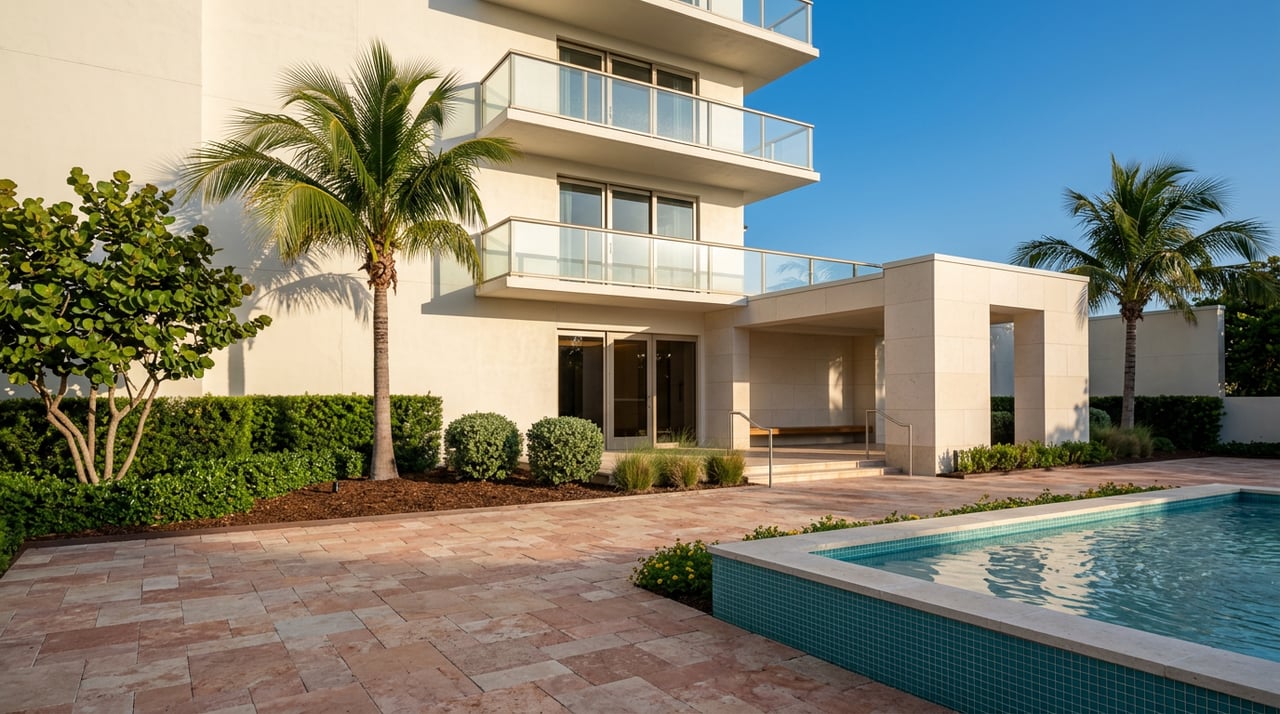
Comparing Broward’s Top Oceanfront Condo Markets
March 24, 2026
March 24, 2026
Trying to choose between Fort Lauderdale Beach, Pompano Beach, or Hollywood Beach for an oceanfront condo? You are not alone. Each corridor offers a different mix of price point, HOA costs, rental flexibility, and lifestyle. In this guide, you will learn how the three markets compare so you can focus your search and avoid surprises. Let’s dive in.
Fort Lauderdale Beach sits at the top of Broward’s price ladder for oceanfront condos, especially in full‑service towers with luxury amenities. Recent market reports place median prices well into seven figures, with premium price per square foot in prime buildings. The area delivers a resort experience with yachting culture, marinas, and proximity to Las Olas, Port Everglades, and FLL. Explore the city’s waterfront lifestyle and amenities through local visitor resources that highlight its boating and dining scene.
HOA fees vary widely by building and services, from several hundred dollars to over a thousand per month. Since 2022–2024 legislative changes increased building reserve and inspection requirements, you should review association budgets and any planned assessments before you buy. For vacation rentals, Fort Lauderdale requires a city Vacation Rental Registration for stays under 30 days, plus life‑safety compliance and program rules that include noise monitoring in newer updates. Even if the city allows STRs, your condominium’s governing documents control whether short‑term leasing is permitted. You can review the city’s program details on the Fort Lauderdale Vacation Rental Registration page.
Pompano Beach offers a lower entry point than Fort Lauderdale’s luxury corridor, with steady appreciation tied to the pier district and redevelopment. You will find a mix of mid‑century oceanfront buildings and newer towers, which creates a broad range of HOA fees and amenity levels. Many mid‑rise buildings show monthly HOAs in the mid‑hundreds, while full‑service towers trend higher.
For short‑term rentals, Pompano requires a local STR permit, inspections, and compliance with state and county tax registrations. Enforcement is active, so confirm zoning and building rules before you underwrite a deal. The permitting framework and requirements are outlined in the Pompano Beach short‑term rental code.
Hollywood Beach centers on its 2.5‑mile Broadwalk, which brings consistent year‑round foot traffic and a lively, walkable vibe. Condo prices typically run below Fort Lauderdale’s top towers, with a mix of mid‑market and some luxury options near the sand. This corridor attracts both owners who enjoy the Broadwalk scene and investors who value steady visitor demand.
The city licenses vacation rentals and enforces inspections and noise rules, and it keeps a public registry of licensed properties. Many associations near the Broadwalk allow seasonal rentals, but terms vary by building. Review the city’s requirements on the Hollywood Vacation Rental License page, then confirm the condo’s written leasing policy.
If you want the most polished, resort‑style living and are comfortable with premium pricing and higher HOAs, Fort Lauderdale Beach fits. If you prioritize value and growth potential with a lively pier district and improving walkability, Pompano is compelling. If you want a walkable, tourism‑oriented boardwalk scene at a lower price point, Hollywood deserves a close look.
Association costs rose across South Florida as buildings increased reserves, insurance, and capital planning after Surfside and subsequent laws. Local reporting shows many owners saw material HOA increases. To avoid surprises, review the latest budget, current assessments, and insurance renewals before you go under contract. Learn more about the regional trend in rising condo costs from WLRN’s coverage.
Florida now requires milestone inspections for buildings three or more stories tall. The first inspection is due at 30 years, or 25 years if the building is within three miles of the coastline, with follow‑ups every 10 years. Associations also complete Structural Integrity Reserve Studies that can increase reserve contributions and special assessments. You can read the current statute language in Florida Statutes Chapter 553.
Short‑term rental success depends on two things: city compliance and the condominium’s own rules. You need both.
Fort Lauderdale requires a Vacation Rental Registration for stays under 30 days, plus life‑safety conditions and noise compliance. Details and property standards are on the city’s program page. Your condo documents still decide if short‑term leasing is allowed.
Pompano Beach requires a local STR permit, inspections, and adherence to notice and operational standards. Review the framework in the municipal code and confirm your building’s leasing policy and minimum lease terms.
Hollywood licenses each vacation rental and enforces inspections and noise rules. The process and standards are outlined on the Hollywood Vacation Rental License page. Association rules may allow seasonal rentals with defined minimums, so get the policy in writing.
Short‑term stays are subject to the Florida transient rental sales tax and the Broward County Tourist Development Tax, currently 6 percent. You must register with the state and county, then collect and remit taxes on each booking. Review county guidance on the Broward Tourist Development Tax page.
These figures are averages from aggregator tools. Always validate with building‑level comps and a current copy of your association’s rental rules.
Financing can be tighter for condos than single‑family homes. Very few South Florida condo buildings carry FHA approval, which reduces the buyer pool for units in non‑approved buildings and can affect exit strategy. MIAMI REALTORS reported only a small number of FHA‑approved buildings across the tri‑county area in a recent release. You can review their market coverage for context on financing constraints in this MIAMI REALTORS update.
Insurance remains a major operating expense. Condo association policies and unit‑owner policies have seen sharp increases in recent years, although some segments reported modest relief in 2025 and 2026. Ask for the association’s current insurance statement, upcoming renewal date, and whether the master policy includes flood coverage. Factor wind and hurricane endorsements into your budget, and confirm flood zone status and any elevation certificate requirements before you finalize terms.
Use this short list to protect your capital and time:
Ready to zero in on the right building, budget accurately, and align your lifestyle or yield goals with the right corridor? Let’s map your plan, review live comps, and request the association documents you need to make a confident decision. Connect with Chuck Levine to schedule your free consultation.
Stay up to date on the latest real estate trends.

Get assistance in determining current property value, crafting a competitive offer, writing and negotiating a contract, and much more. Contact me today.