Finding The Right Boating Community In Boynton Beach
April 2, 2026
April 2, 2026
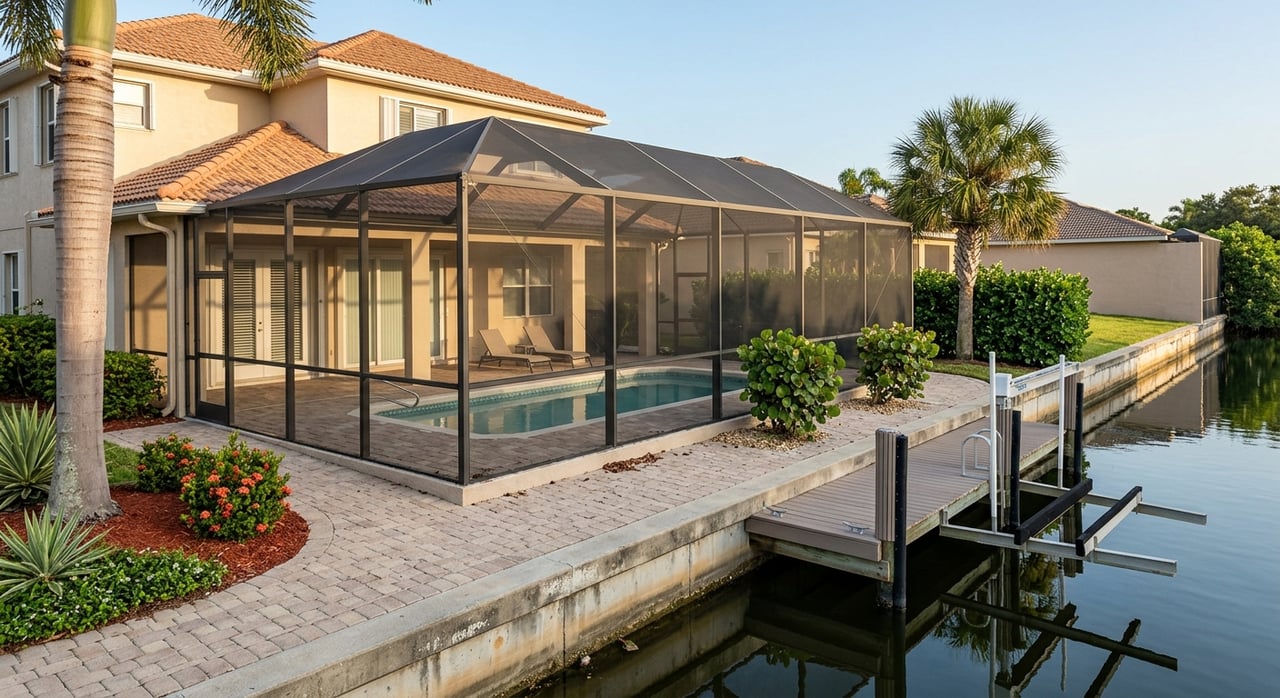
If you picture life in Boynton Beach with your boat close by, the community you choose matters more than the view alone. A waterfront address can look ideal at first glance, but your day-to-day experience will depend on inlet access, bridge clearance, dock setup, HOA structure, and whether the property matches how you actually use the water. If you want to narrow your options with confidence, this guide will help you compare Boynton Beach boating communities in a practical way. Let’s dive in.
Boynton Beach gives you a strong boating base because it sits along four miles of the Intracoastal Waterway and has one of Palm Beach County’s four ocean inlets. The city’s Boynton Harbor Marina and waterfront assets also support active daily use for both Intracoastal cruising and ocean access.
Location is a big part of the appeal. Boynton Harbor Marina sits about half a mile south of Boynton Inlet, which makes east Boynton especially convenient if you want to reach the ocean without a long idle run. That said, convenience on paper should still be tested against your vessel’s size, draft, and route.
Before you compare communities, define how you plan to use your boat. The right fit for a seasonal condo owner is often very different from the right fit for an owner who wants private dockage and direct control over the property.
A few questions can help guide your search:
In Boynton Beach, these answers can quickly narrow the field.
If you want a more lock-and-leave lifestyle, condo and townhome communities near the Intracoastal often make the most sense. These communities may be attractive if you value amenities, shared maintenance, and a simpler ownership experience.
Marina Village is best known as a direct Intracoastal condo and townhome community with a private marina and a long list of included services. Recent community information describes amenities such as a waterfront promenade, fitness center, pool, spa, concierge, and HOA coverage that includes water, cable, building insurance, security, landscaping, janitorial service, and common-area maintenance. That type of setup can appeal to seasonal owners who want marina access with fewer maintenance chores.
Peninsula on the Intracoastal offers a smaller, gated environment with townhomes and condos built around 2010 to 2013. It is positioned next to Gateway Marina, which makes it a compelling choice if you want a marina-plus-condo option rather than a private dock at your door.
Waterside is another Intracoastal-oriented option with gated townhomes, attached garages, and impact windows. For buyers who want a townhome format and an east Boynton location near the water, it can be worth comparing against other HOA-based communities.
If you want more control over your dock, storage, and exterior changes, single-family neighborhoods may be a better match. In general, these options can be more appealing for owners who prioritize private dockage and fewer association constraints.
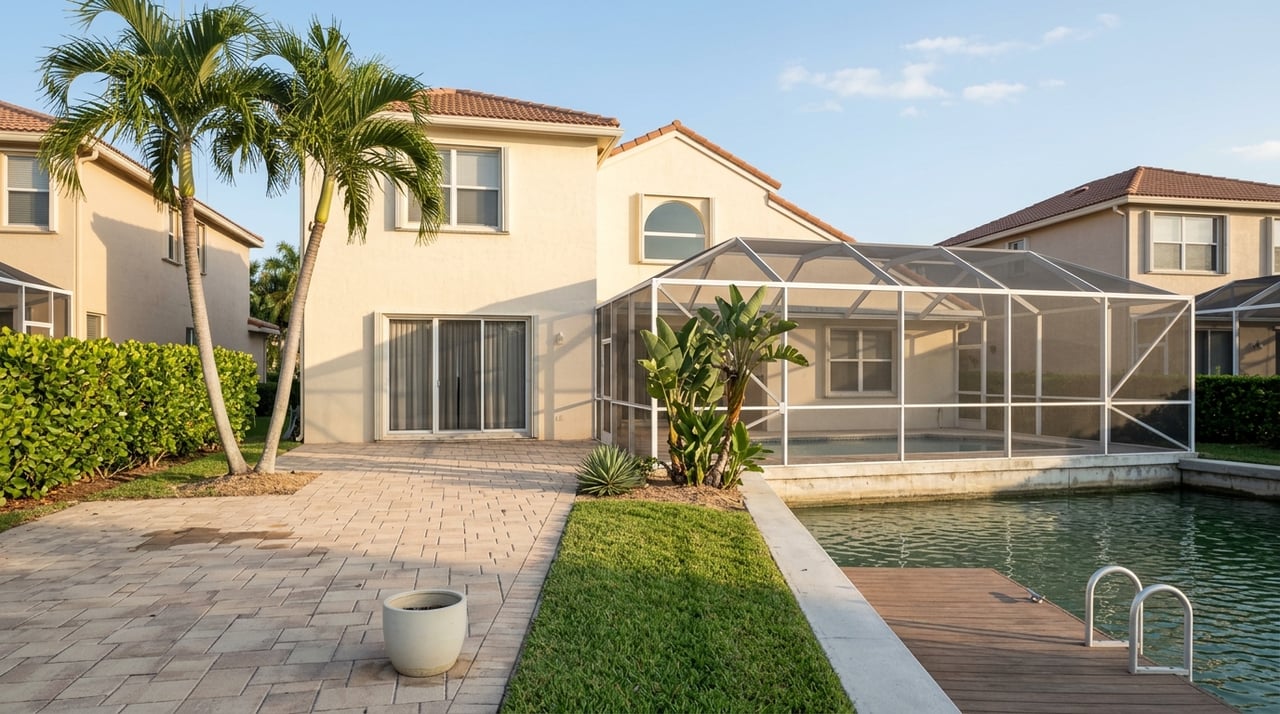
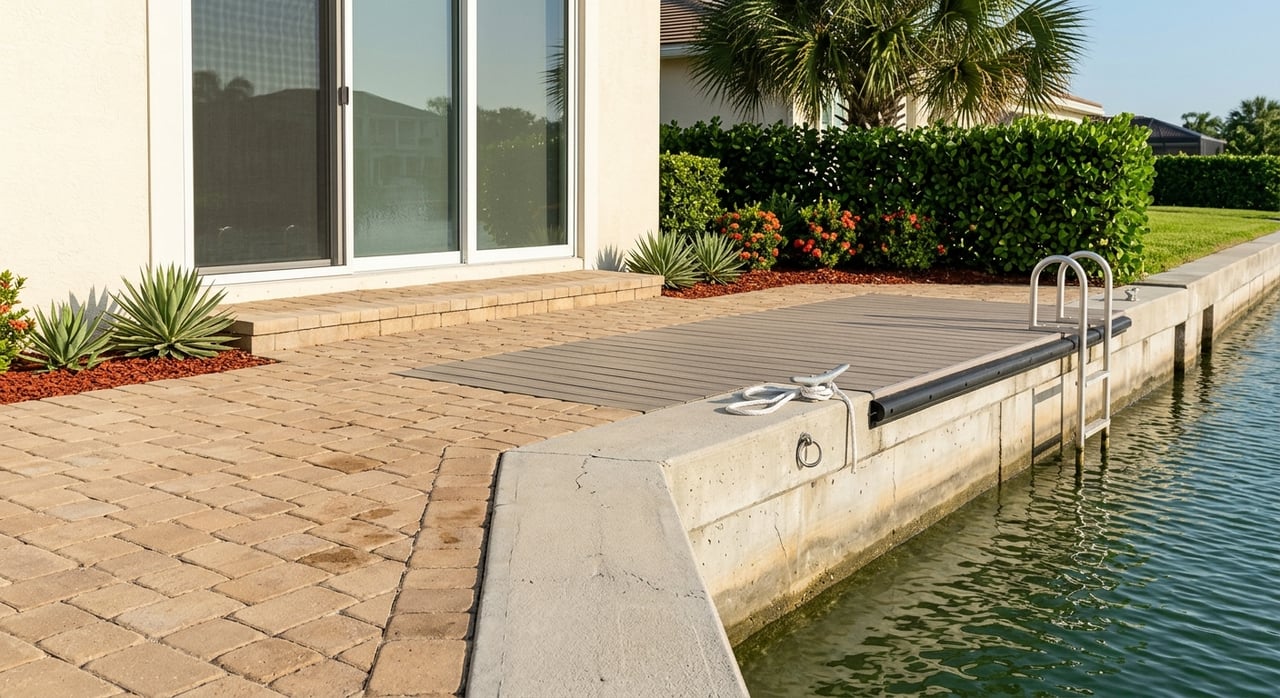
Boynton Isles is a luxury Intracoastal single-family enclave known for private deep-water docks, garages, and larger yards. It is described as a zero-HOA community, which may appeal if you want a higher level of autonomy and direct ocean-oriented boating potential.
Harbor Estates offers a smaller neighborhood feel with no HOA and deeded 45-foot slips with direct access to Boynton Inlet. Compared with higher-end waterfront enclaves, it can represent an important lower-entry option for buyers who still want meaningful boating access.
Chapel Hill is a no-HOA east Boynton neighborhood with a mix of housing types. Some waterfront properties sit on wide canals with access to the Lake Ida, Lake Eden, and Lake Osborne chain, which can make it a better fit for buyers who enjoy inland boating rather than regular ocean runs.
One of the biggest mistakes buyers make is assuming any waterfront property will work for any boat. In Boynton Beach, route planning matters.
According to NOAA’s Coast Pilot bridge data for the local ICW route, nearby fixed bridge clearances include:
If you own a taller vessel, especially a sailboat or larger flybridge boat, those numbers are not small details. They may determine whether a property truly gives you usable access to your preferred route.
You should compare your boat’s air draft against the exact path from dock to inlet, not just the nearest waterway. A home can be technically waterfront and still be a poor operational fit if the bridge clearance blocks your normal use.
Ocean access in Boynton Beach can be convenient, but it also requires respect for local conditions. NOAA notes that currents at Boynton Inlet can be strong when easterly winds are present, and the county continues inlet maintenance dredging on a recurring schedule.
For many buyers, that means the best setup is not only about location. It is also about comfort level, vessel type, and how often you plan to run offshore versus staying on the Intracoastal.
Not every boater in Boynton Beach needs ocean access. Some buyers are better served by inland canal systems that support smaller boats and a different pace of use.
The city’s Pioneer Canal Park information explains that the park sits on the C-16 canal with access to the E-4 canal and the Lake Osborne and Lake Ida chain. The launch area is posted as a no-wake zone, and the city notes that the South Florida Water Management District is responsible for dredging the canal.
This matters because canal boating often suits freshwater cruising better than offshore runs. USACE permit history for the Boynton Beach Boat Club navigation channel shows maintenance to about 6 feet MLW, which is a useful reminder that some canal systems are simply better for smaller-draft vessels.
If you trailer your boat, do not assume nearby launch access will stay the same. The city’s park improvement project updates say Pioneer Canal Park’s boat ramp is being reconstructed, with work scheduled for 2026.
That may not affect every buyer, but it is important if your plan depends on regular public ramp use. Before you buy, confirm the current status of the launch options you expect to rely on.
Ownership structure can shape your boating experience as much as the water itself. A condo, townhome, and single-family waterfront home may all seem similar from the shoreline, but the practical differences can be significant.
Florida’s HOA statute on storage and display limits says associations generally may not restrict the installation, display, or storage of items not visible from the parcel frontage or adjacent parcels, including boats, unless a local ordinance says otherwise. Condominiums are different, and condo associations also carry common-element maintenance responsibilities.
For many buyers, the real question is lifestyle. If you want fewer maintenance tasks and more shared services, an HOA-based condo or townhome community may feel easier to manage. If you want direct control over your dock, storage, and exterior decisions, a no-HOA or lower-friction single-family setup may be more practical.
If you plan to use the property part time, communities like Marina Village or Peninsula may be worth a close look. Their structure and amenity packages can support a more lock-and-leave ownership style.
If your boat is central to how you live, Boynton Isles or Harbor Estates may line up better with your goals. These community types tend to offer more direct control and less reliance on shared systems.
If you are happy with inland canal use rather than regular inlet runs, Chapel Hill and the C-16 and E-4 canal areas may deserve more attention. This can be a smart lane if your boating style is more casual and draft-sensitive.
If your vessel has meaningful air draft, start with the route before the house. Bridge clearance at Ocean Avenue and Woolbright, or a verified alternate route and slip arrangement, should be confirmed before you make an offer.
The fastest way to find the right boating community in Boynton Beach is to filter properties through four practical questions: Can your boat clear the route? Does the dock or marina setup match your use? Does the ownership structure fit your lifestyle? And does the location support the kind of boating you actually plan to do?
When you answer those questions first, you can avoid falling in love with the wrong waterfront property. The best community is not always the most dramatic one. It is the one that works smoothly every time you head out on the water.
If you want help comparing Boynton Beach boating properties with your vessel, ownership goals, and long-term plans in mind, Chuck Levine offers a high-touch, strategic approach to South Florida waterfront real estate.
Stay up to date on the latest real estate trends.

Get assistance in determining current property value, crafting a competitive offer, writing and negotiating a contract, and much more. Contact me today.