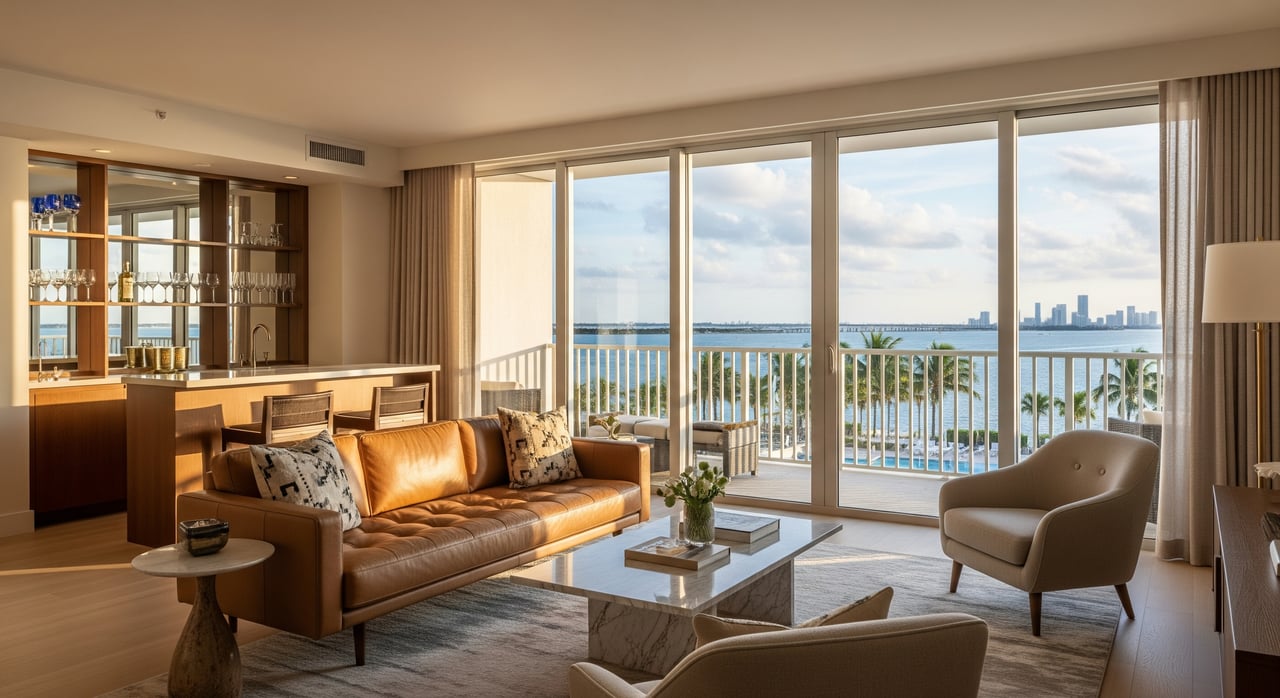
Tour Short Term Rental Friendly Miami Condos With an Expert
December 4, 2025
December 4, 2025
Thinking about buying a Miami condo to host short stays, but not sure where to start? You are not alone. Miami’s year-round tourism and big event calendar can drive strong rates, yet rules differ by building and neighborhood. In this guide, you will learn how to focus on STR-friendly buildings, how to model realistic returns, and what to check before you tour. Let’s dive in.
Miami draws both leisure and business travelers throughout the year, with pronounced peaks around major events. This steady international tourism base, plus event-driven spikes, often supports higher average daily rates and occupancy than many markets. Performance varies by neighborhood, unit type, and building policies, so targeting the right location matters.
Demand tends to concentrate where guests can easily reach beaches, nightlife, cultural venues, and business hubs. Areas like South Beach, Brickell, Downtown, Edgewater and Wynwood, Coconut Grove, Midtown and MiMo, and Coral Gables attract different traveler profiles. Winter is typically peak season, while summer can still see solid international and family travel. One-off events like Art Basel, Ultra Music Festival, the Miami Grand Prix, and the Miami Boat Show can sharply lift rates for short windows.
Keep in mind the risks. New supply can compress rates and occupancy. Local rule changes can impact eligibility. Weather, hurricane season, and flood risk can affect operations, insurance, and demand. Choosing buildings with sound reserves and clear rental policies helps reduce downside.
Short-term rental rules in Miami are local. The City of Miami, Miami Beach, and other municipalities in Miami-Dade County can each have different rules. You must check the municipal code for the building’s exact jurisdiction and align with any county or state requirements.
Many cities require a local business tax receipt, rental permit, or host registration. You may need proof of insurance, safety devices, a certificate of occupancy, and a 24-hour local contact. Some places require a manager who can respond to complaints.
Short stays typically trigger state sales tax plus local transient or tourist taxes. Hosts usually register with the Florida Department of Revenue and remit applicable state and local taxes. Factor property taxes and income tax on rental income into your projections.
Florida’s Condominium Act sets the framework, but your association’s governing documents control what is allowed. Declarations, bylaws, and rules can specify minimum lease terms, rental caps, waiting periods after purchase, guest registration, and fines. Some buildings prohibit rentals under a certain duration, while others operate as condo-hotels that allow short-term stays.
Many associations require evidence of fire and life safety compliance. Know whether the building is managed as a condo-hotel or strictly residential. Amenity access for renters can be restricted, which can affect your listing’s appeal. Standard condo policies often exclude commercial short-term activity, so you may need specific endorsements or an umbrella policy. Flood and hurricane risk in Miami can drive higher premiums.
You should have written, current confirmation of STR eligibility before you advertise a unit. Obtain the association’s rental policy and recent meeting minutes, then confirm any municipal registration or permit requirements. Build your plan around documented rules, not assumptions.
Look for buildings where short-term rentals are explicitly allowed and the process is clear. Unit types that perform well usually include studios, 1-bedroom, and 2-bedroom layouts with legal sleeping configurations and adequate bathrooms. Proximity to beaches, nightlife, business districts, transit, and the airport or convention venues can boost demand.
Key features that help performance:
Red flags to avoid:
Neighborhood micro-factors matter. Beachfront and South Beach locations appeal to leisure and event travelers but can carry higher operating and insurance costs. Brickell and Downtown serve business and luxury short-stay visitors tied to finance and conventions. Wynwood and Edgewater attract experience-driven guests, with new inventory influencing comps. Being close to major event venues can improve off-season occupancy.
Start with core revenue metrics and real comps. Use neighborhood-level data for average daily rate and occupancy. Build seasonality into your forecast so that winter and event weeks reflect stronger performance.
Subtract realistic operating expenses:
Build a 12-month model with optimistic, base, and downside cases. Add a conservative vacancy buffer for regulatory delays, hurricane season, or slower months. Test how changes to ADR or occupancy affect cash flow and your target cap rate.
Financing can affect strategy. Some conventional lenders limit recognition of STR income. Many investors consider portfolio or DSCR loans that underwrite rental income, or commercial financing for condo-hotel scenarios. Expect tighter underwriting if the building has a high investor ratio or rental restrictions.
Get the paperwork in hand before you step inside a unit. Request these from the listing agent or seller:
Key questions to ask the association or manager:
When you schedule a private tour, you should expect a structured plan. You can receive a curated building list, copies of the current rental policy and recent HOA minutes, a base and downside pro forma for a representative unit, and a pre-tour compliance checklist to confirm permits or registrations.
Use your time on-site to evaluate guest experience and operating logistics. Focus on features that influence bookings, reviews, and turnover efficiency.
Ask for a written confirmation of the rental policy and procedures from the association. If the building has allowed STRs historically, request anonymized booking history or performance metrics. If anything in the documents is unclear, engage a condo association attorney for a focused review.
Involve the right stakeholders early. Coordinate with a local property manager experienced in Miami short stays, an insurance broker who understands wind and flood, a lender familiar with DSCR or portfolio options, and a tax advisor who can guide you on transient taxes and filings. This team helps you move from interest to a compliant, bankable deal.
If you want a curated list of compliant buildings, a two-scenario pro forma, and a guided walk-through that focuses on operations and returns, let’s talk. Schedule a free consultation with Chuck Levine to plan your private STR-focused tour in Miami.
Stay up to date on the latest real estate trends.


Get assistance in determining current property value, crafting a competitive offer, writing and negotiating a contract, and much more. Contact me today.