Selling A Luxury Waterfront Home In Broward County
June 4, 2026
June 4, 2026
If you think selling a luxury waterfront home in Broward County is just about listing high and waiting for the right buyer, think again. Today’s market gives luxury buyers more choices, more time, and more leverage, especially when they are comparing docks, seawalls, views, condo records, and flood documentation side by side. If you want to protect value and avoid surprises, you need a strategy that matches how this market actually works. Let’s dive in.
Broward County’s overall housing numbers can be useful background, but they do not tell the full story for luxury waterfront homes. In March 2026, the county had about 20,550 homes for sale, a 97% sale-to-list price ratio, and a 75-day median days on market. Those broad numbers matter, but they can blur major differences between waterfront single-family homes, Intracoastal properties, and luxury condos.
That is especially important at the top of the market. In 2026 Q1, Broward County’s single-family luxury threshold rose to $2.3 million, while the ultra-luxury threshold rose to $6.2 million. In other words, your property is competing in a segment where pricing, buyer expectations, and marketing standards are very different from the county median.
Luxury condo pricing is also highly localized. In Broward, MIAMI REALTORS® reported 2026 Q1 condo luxury thresholds of $2.5 million in Fort Lauderdale, $2.3 million in Hillsboro Beach, and $1.5 million in Lauderdale-By-The-Sea. That tells you something important: buyers are not using one simple countywide benchmark when they evaluate waterfront value.
If you are selling a waterfront home, the wrong pricing strategy can cost you momentum early. County medians, including Broward’s $600,000 median sale price for single-family homes in March 2026, are not meaningful pricing guides for a luxury waterfront property. Your real comparison set is much narrower.
For single-family homes, buyers often focus on details like water frontage, bridge clearance, dock utility, lot orientation, renovation quality, privacy, and boating access. For luxury condos, buyers are often comparing the exact building, floor height, view corridor, amenities, association financials, and whether the building’s records support a smooth due diligence process.
This is why pricing should be tied to the exact submarket and property profile. A trophy oceanfront home, an Intracoastal estate, and a luxury waterfront condo may all sit in Broward County, but they live in different pricing ecosystems. If you price as though they all move the same way, buyers will likely push back.
One of the biggest mistakes luxury sellers make is assuming a premium property will move quickly just because demand exists. Broward County has seen solid high-end activity, with sales of properties priced at $1 million and above rising 7.4% year over year in March 2026. That is encouraging, but it does not mean every luxury listing sells fast.
In fact, the higher the price point, the more patient you may need to be. Broward single-family homes priced at $1 million or more had a median time to contract of 60 days in March 2026. In the $5 million to $9.9 million range, the median time to contract stretched to 228 days.
That timing matters when you plan your sale. A successful luxury waterfront listing often needs strong pre-market preparation, a disciplined launch, and enough room for buyer inspections, underwriting, insurance review, and document requests. This is not usually a quick-turn process.
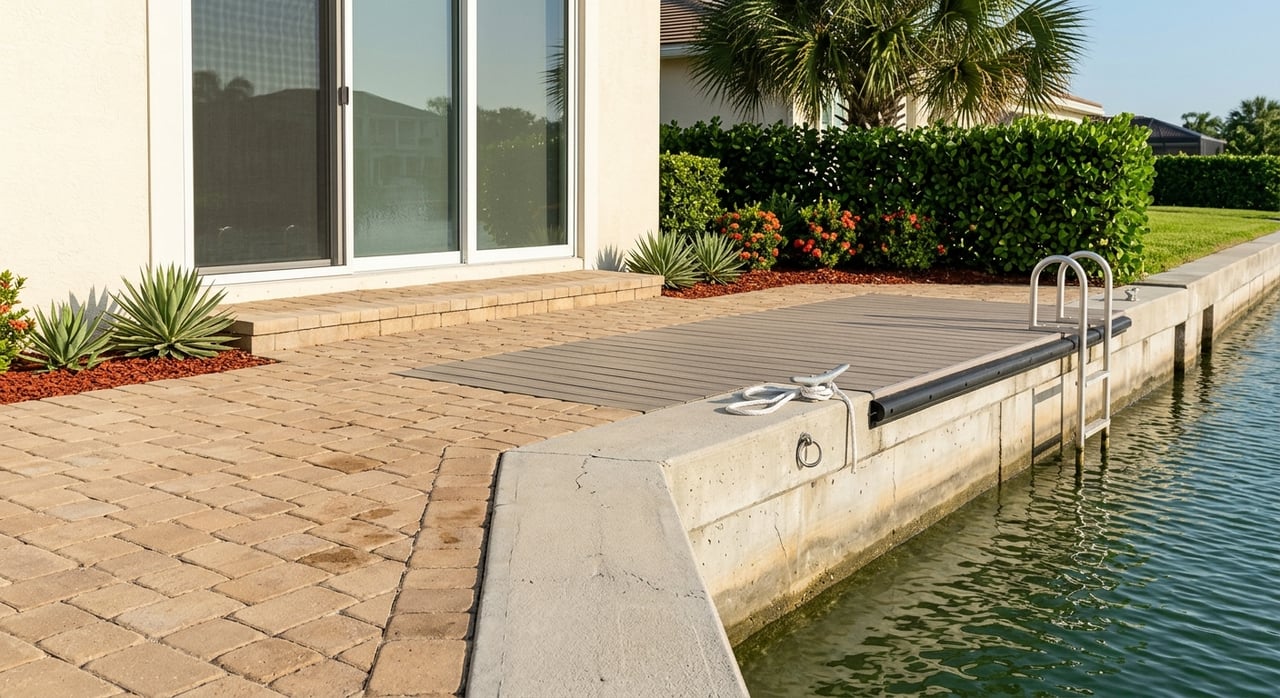
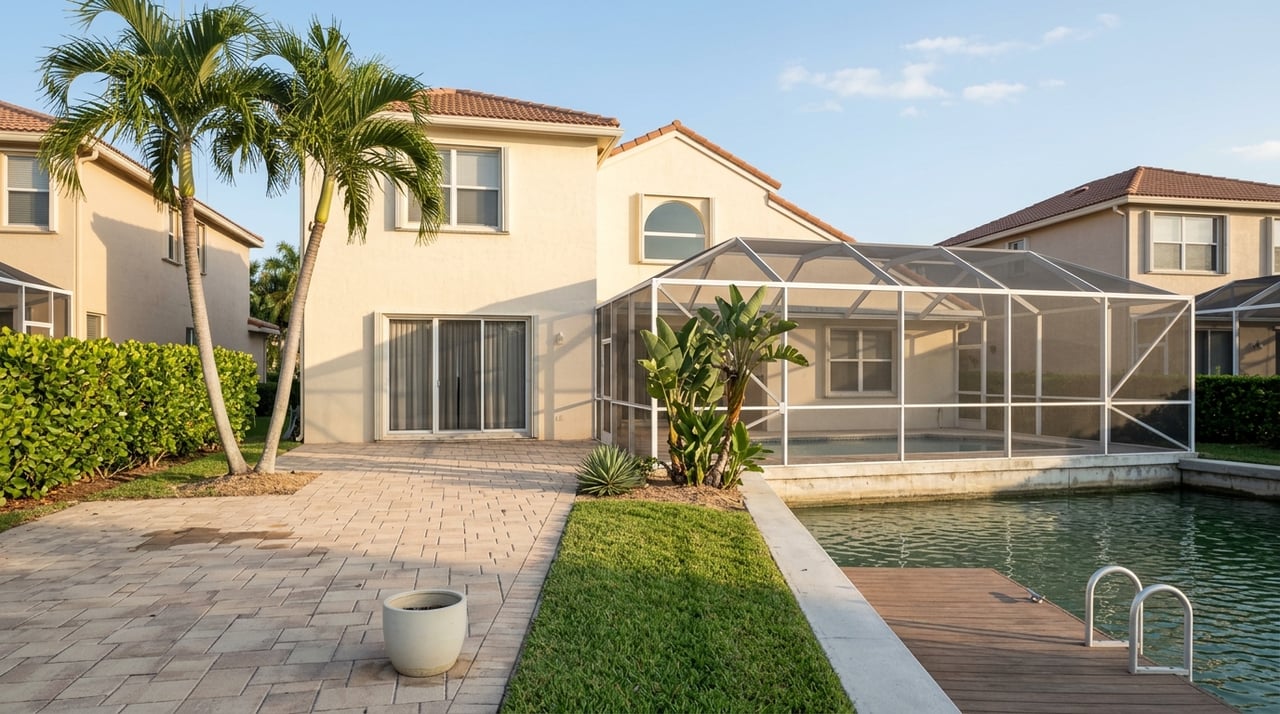
In Broward County, waterfront infrastructure is not a minor detail. Docks, seawalls, bulkheads, boat lifts, piers, pilings, and floating vessel platforms can all become major negotiation points if buyers see visible wear, missing permits, or unclear repair history. For many luxury buyers, these features are part of the value proposition, not an afterthought.
Broward’s Environmental Permitting Division regulates projects involving docks and seawalls, and some repairs can use a streamlined path only if they stay within strict limits. For example, dock repairs cannot enlarge over-water area beyond 500 square feet under the referenced general license criteria, and seawall repair or restoration must stay within one foot waterward of the original authorized location.
That means you should gather permit history, as-built plans if available, invoices, and repair records before going live. If work was done without clear documentation, buyers may question condition, legality, or future costs. Even if the structure is functional, uncertainty can weaken your negotiating position.
Flood-related questions are now part of the standard selling process in Florida, and they matter even more for waterfront homes. Florida law requires sellers to provide a flood disclosure to a purchaser at or before contract execution. The disclosure asks about known flooding, flood-related insurance claims, and flood-related assistance received.
If you wait until you are under contract to organize this information, you may lose valuable time. It is much better to gather your flood history, prior claims information, insurance records, survey, and any available elevation certificate before buyers begin asking questions.
An elevation certificate can also help support floodplain compliance and flood insurance underwriting. Since flood insurance is separate from standard homeowners insurance, luxury buyers and their lenders often review this information carefully during due diligence. Clear records can help reduce friction and keep the transaction moving.
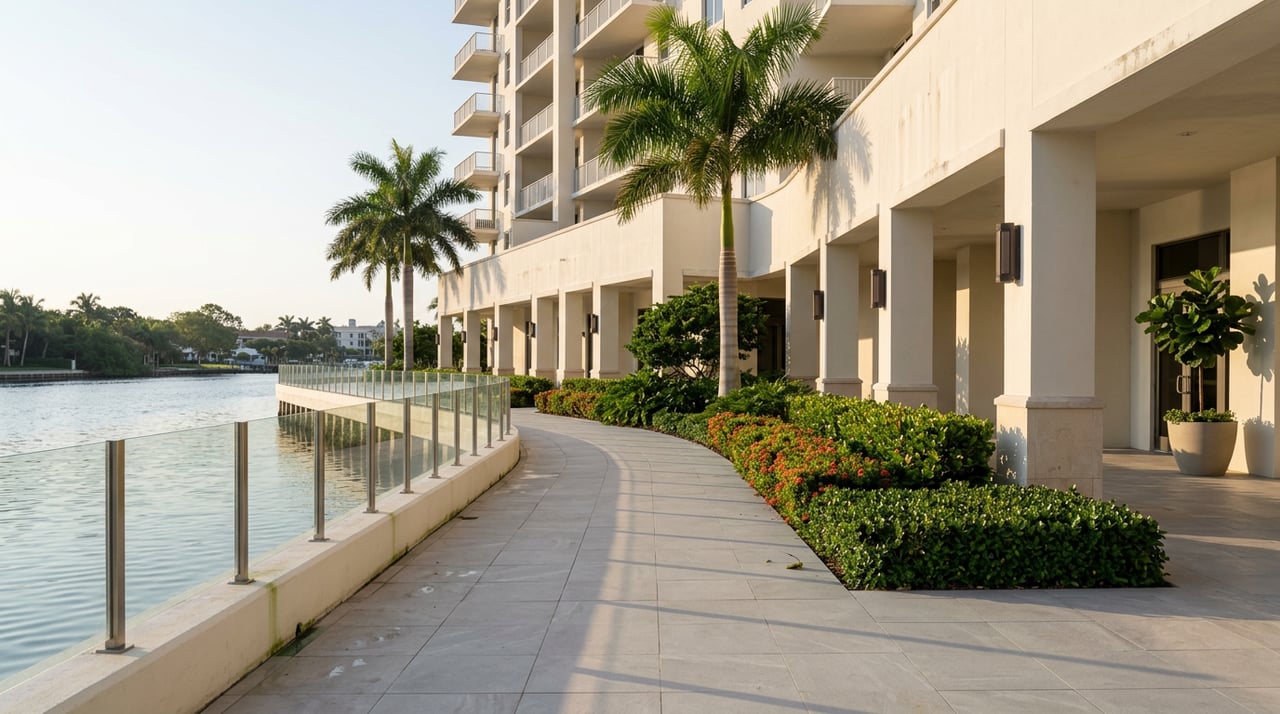
If you are selling a luxury waterfront condo in Broward County, documentation is often just as important as finishes and views. Broward condo and townhome inventory reached 11.3 months of supply in March 2026, which means buyers often have options. They can afford to be selective.
This segment is also heavily cash-driven. MIAMI REALTORS® reported that 71% of Broward million-dollar condo and townhome sales were all-cash. Cash buyers can move quickly, but they also tend to scrutinize building records, budgets, reserves, and pending costs very closely.
Florida law now puts even more focus on association transparency. For residential condominium buildings that are three habitable stories or higher, structural integrity reserve studies are required, and relevant inspection reports and reserve studies are part of the association’s official records available to potential purchasers. If your building has milestone inspection activity, reserve funding changes, or pending assessments, buyers will want clear answers.
When these materials are easy to review, buyers tend to feel more confident. When they are incomplete or difficult to obtain, buyers may lower offers or move on.
Luxury waterfront demand in South Florida does not come from one buyer type. MIAMI REALTORS® reported that 49% of new South Florida construction, pre-construction, and condo-conversion sales over an 18-month period ending in July 2025 were purchased by international buyers. The same reporting showed 2026 Q1 out-of-state driver-license exchanges rising 24% year over year, with notable increases from New York, New Jersey, and California.
That tells you your buyer may be local, relocating from another state, or purchasing from abroad. Each group may view price, lifestyle, and documentation a little differently. Some buyers focus on boating utility and privacy, while others care more about ease of ownership, building quality, or remote purchase logistics.
Your marketing should reflect that wider audience. A luxury waterfront listing needs polished visuals, clear property information, and a presentation that works well for buyers who may first experience the home remotely. In this segment, you are not just selling square footage. You are selling water access, condition, paperwork readiness, and confidence.
Timing still matters in South Florida, even in the luxury market. Market guidance identified mid-April as a strong window for Florida sellers in 2026, and earlier spring launches can help you get ahead of growing competition. For Broward waterfront sellers, late winter through mid-spring is often the most practical launch period.
But listing at the right time is only part of the job. If your photography is rushed, your dock records are incomplete, or your flood paperwork is still being gathered, the calendar alone will not save the listing. Preparation is what allows you to take advantage of seasonal demand.
A better approach is to work backward from your ideal launch date. Give yourself time to handle repairs, collect permits and association records, organize insurance and flood documents, and position the property properly from day one.
In this market, the best results usually come from a disciplined process. Luxury waterfront buyers are paying attention to details, and they often have the experience or advisors to spot weak points quickly.
A strong selling plan usually includes:
When all of those pieces are in place, you give your property a better chance to stand out for the right reasons.
Selling a luxury waterfront home in Broward County takes more than good photography and an ambitious list price. It takes local market judgment, preparation, and the ability to present your home in a way that makes buyers feel informed and comfortable moving forward. If you want a high-touch, well-prepared strategy for your Broward waterfront sale, schedule a free consultation with Chuck Levine.
Stay up to date on the latest real estate trends.

Get assistance in determining current property value, crafting a competitive offer, writing and negotiating a contract, and much more. Contact me today.