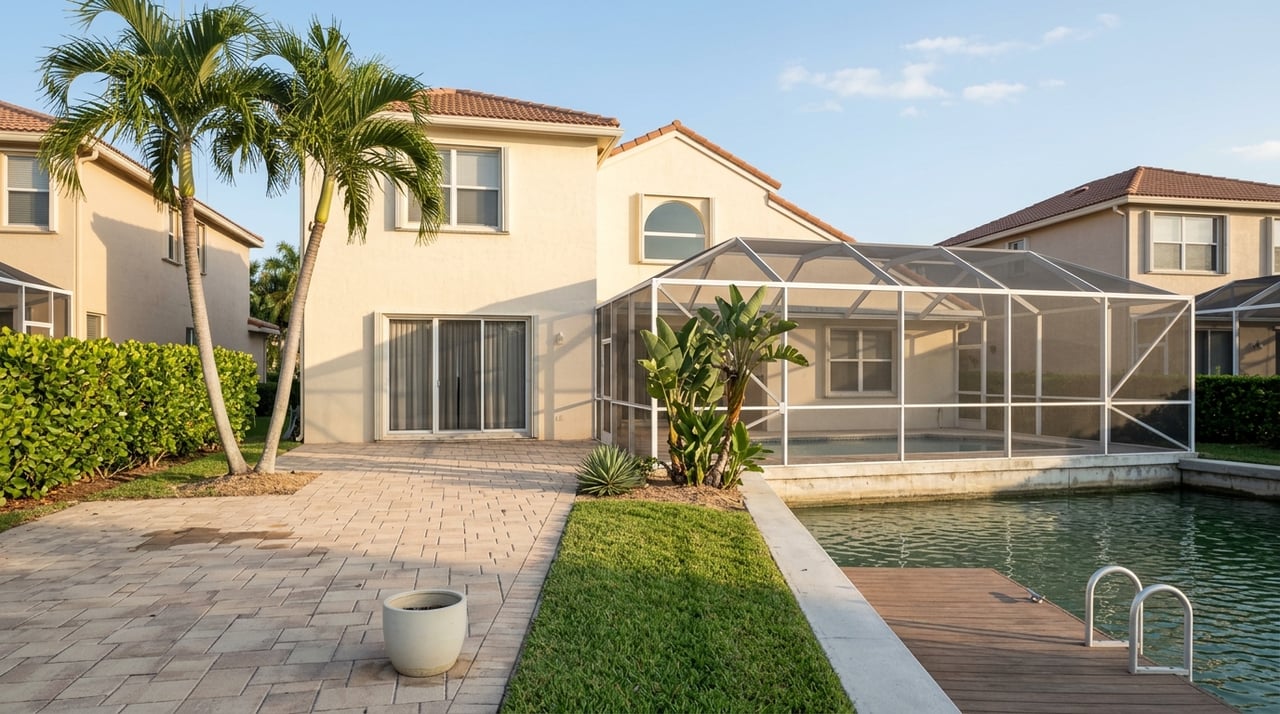
Miami-Dade Waterfront Homes Lifestyle and Daily Life
June 18, 2026
June 18, 2026
Dreaming about waking up by the water in Miami-Dade County? The first thing to know is that waterfront living here is not just one lifestyle. Your day-to-day experience can look very different depending on whether you choose oceanfront, bayfront, riverfront, or a marina-centered area. If you are weighing a move or investment in Miami-Dade, this guide will help you picture what daily life really looks like and what trade-offs matter most. Let’s dive in.
Miami-Dade’s waterfront is shaped by the Atlantic Ocean, Biscayne Bay, the Miami River, and a wide network of canals and marinas. Miami Beach also sits on a barrier island between Biscayne Bay and the Atlantic, with more than seven miles of beaches. That geography creates several distinct ways to live on or near the water.
For you, the right fit often comes down to rhythm. Some areas feel urban and fast-moving, while others feel quieter, more boating-oriented, or more tied to the beach. Understanding that difference early can help you narrow your search with more confidence.
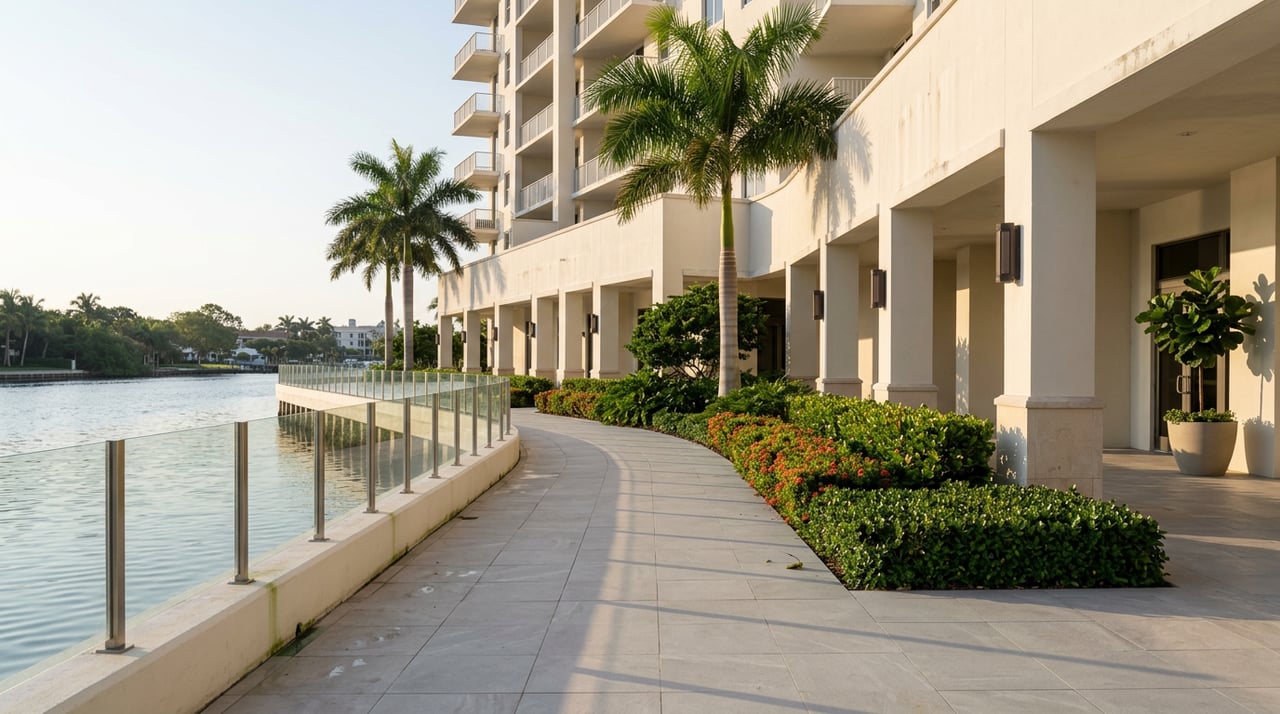
If you want waterfront views without giving up city energy, Brickell and Downtown Miami offer a very specific lifestyle. Brickell brings bayfront high-rise living, skyline views, restaurants, and access to arts and culture. Downtown adds the Miami River, Bayfront Park, Bayside Marketplace, and major cultural venues.
One of the biggest advantages here is mobility. Metromover runs free through Downtown, Omni, and Brickell, while Metrorail connects areas like Kendall, South Miami, Coral Gables, and Downtown Miami. If you want a more car-light routine, this is one of the easiest waterfront settings in Miami-Dade.
Daily life often revolves around the public waterfront. You might start your morning near the baywalk at Bayfront Park, grab dinner by the water, and still be close to work, entertainment, and transit. In this part of the county, waterfront living often feels more like a city lifestyle with water as your backdrop.
Coconut Grove offers a different pace. It is Miami’s oldest neighborhood and one of its most water-oriented areas, known for a laid-back tropical feel, bayfront parks, and boating access through Dinner Key Marina.
Here, waterfront living often feels tied to sailing culture and outdoor time. You have shoreline parks like Regatta Park, plus a local mix of farmers markets, art galleries, and annual regattas. The Grove is often described as Miami’s sailing center, which gives it a clear identity compared with more urban bayfront districts.
If you picture your weekends around the marina, a walk by the bay, or spending time in a neighborhood with strong boating access, Coconut Grove may feel more natural than a high-rise tower district. It blends water access with a more relaxed day-to-day routine.
Miami Beach, Sunny Isles, Surfside, and North Bay Village each offer a coastal lifestyle, but they do not all feel the same. Miami Beach is the most beach-first of the group, with a barrier island setting and a shoreline that is highly active and publicly managed.
In Miami Beach, the Beachwalk is a nine-mile oceanfront promenade that connects South Pointe Park to North Beach. It includes restrooms, water fountains, parking, and ADA-accessible paver paths. For many residents, that means your daily walk, run, or bike ride can happen right along the ocean.
Sunny Isles is more condo-oriented and view-driven, with 22 beach access points and water sports. North Bay Village also leans toward high-rise waterfront living, with Pelican Harbor Marina and open-ocean access shaping the experience. Surfside tends to feel smaller and more walkable, with parks and sidewalk cafes adding to the everyday rhythm.
The big draw in these areas is direct beach access and a resort-like setting. The trade-off is that beachfront corridors often come with more tourism, event activity, and parking constraints. If you love the ocean and want it woven into your routine, that may be worth it.
If your idea of waterfront living is more secluded and nature-oriented, Key Biscayne and nearby Virginia Key stand apart. Crandon Park sits with the Atlantic on one side and Biscayne Bay on the other, while Bill Baggs Cape Florida State Park offers boating, kayaking, lighthouse views, and sunset scenery.
This setting often feels calmer than the core beach districts. You may find that your routine includes park time, shoreline walks, and more direct access to outdoor recreation. It can feel like a retreat while still being part of the larger Miami-Dade market.
That quieter feel comes with a practical trade-off. Island living depends on causeway access, and weekends can get crowded. Bill Baggs Cape Florida State Park can become so busy on weekends and holidays that it may close at capacity.
In many Miami-Dade waterfront areas, the water is part of everyday life, not just a weekend feature. In Miami Beach, Beachwalk gives you a long, connected oceanfront route. In Downtown, Bayfront Park creates room for open-air routines near the bay, while Coconut Grove adds shoreline parks that support a more relaxed outdoor pattern.
If being outside matters to you, that can shape where you buy just as much as the home itself. Some buyers want a private water view, while others want easy access to public shoreline spaces they will actually use every day.
For many buyers, waterfront living in Miami-Dade is really about marina access. County marinas support a broad boating lifestyle with wet slips, dry storage, boat ramps, transient dockage, fuel, bait and tackle, and rentals.
Popular county facilities include Black Point, Matheson Hammock, Crandon, and Bill Bird. County guidance recommends calling ahead for launch times, wait times, parking, and weather, which shows how practical boating logistics become part of daily life here.
This matters because not every waterfront home supports the same use of the water. In some areas, your lifestyle may center on a beach. In others, it may center on a marina, a launch ramp, or the ability to keep a boat nearby.
Waterfront living in Miami-Dade also shapes how you spend your free time. Brickell and Downtown pair bayfront dining with major cultural venues. The Miami River adds destination dining with skyline and yacht views, while Coconut Grove mixes cafes and galleries with its sailing identity.
Key Biscayne and Surfside add beach-adjacent dining and shopping to the mix. In many of these areas, the surrounding public waterfront plays a major role in your lifestyle, especially if you live in a condo or high-rise where the broader environment matters as much as the unit itself.
Brickell and Downtown are often the better fit if you want restaurants, skyline views, and transit access. Miami Beach, Sunny Isles, and Surfside are more aligned with buyers who want direct ocean access and a more beach-centered daily routine.
Neither choice is better across the board. It depends on whether you value urban convenience or easy shoreline access more. For many buyers, this is the first and most important lifestyle decision.
Key Biscayne and some marina-centered areas can feel quieter and more residential. At the same time, access can be less flexible because island routes and park areas get busier on weekends and holidays.
If you are buying for full-time living, that daily access pattern matters. A peaceful setting can be a major benefit, but you should weigh how traffic, causeway dependence, and seasonal crowding fit your routine.
In North Bay Village, Sunny Isles, and parts of Miami Beach, many options are condo-oriented. That shifts your decision-making toward views, building quality, parking, and association rules.
In these settings, the experience is often as much about the building and surrounding public spaces as the residence itself. If you are comparing high-rise waterfront options, those practical details can shape your quality of life every day.
Waterfront buyers in Miami-Dade need to plan for real climate exposure. Miami-Dade County says the area is particularly susceptible to flooding from major rain events and storm surge. The county also projects sea level to be 10 to 17 inches higher by 2040 than it was in 2000.
That does not mean waterfront ownership is off the table. It means you should look carefully at flood exposure, available flood-risk information, and how a property and surrounding area handle water-related events.
If you are considering Miami Beach, it helps to know that the public shoreline is actively managed. Lifeguards post flag warnings, swim buoys restrict boating traffic near swimming areas, and city rules prohibit items such as coolers, glass containers, tents, loud music, alcohol, and smoking on city beaches.
For some buyers, that structure is a plus because it supports a more organized beachfront environment. For others, it is simply important context so there are no surprises after move-in.
Miami Beach has adopted a sea-level-rise adaptation strategy, which is a reminder that coastal infrastructure in South Florida continues to evolve. When you evaluate a waterfront property, it is wise to consider not just the view but also building maintenance, neighborhood infrastructure, storm readiness, and parking logistics.
That practical lens is especially important if you are buying a luxury condo, high-rise residence, or investment property. In waterfront real estate, the lifestyle appeal and the operational details both matter.
The best way to think about waterfront living in Miami-Dade is to match the setting to your priorities. If you want energy, views, and transit, bayfront city life in Brickell or Downtown may fit best. If you want boating culture, Coconut Grove and marina-centered areas may feel more natural.
If your goal is ocean access and a beach-driven routine, Miami Beach, Sunny Isles, or Surfside may stand out. If you prefer a quieter island setting with strong outdoor appeal, Key Biscayne and Virginia Key may be worth a closer look.
The right waterfront property is not just about being near the water. It is about choosing the version of waterfront living that fits how you actually want to spend your days. If you are ready to explore Miami-Dade waterfront homes, condos, or investment opportunities with a clear strategy, Chuck Levine can help you narrow the options and move with confidence.
Stay up to date on the latest real estate trends.

Get assistance in determining current property value, crafting a competitive offer, writing and negotiating a contract, and much more. Contact me today.